If you watch your dog long enough, you start to notice little patterns. They flop onto one side, curl themselves into a tiny ball, stretch out like Superman, then somehow end up upside down with all four paws in the air.
Those odd little sleeping positions are part of what makes living with dogs so much fun. And while a sleeping pose cannot tell you exactly what your dog is thinking, it can give you useful clues about comfort, temperature, security, and how they are feeling in that moment.
Research from Dogs Trust’s Generation Pup study found that 84% of dogs were reported to stretch out or lie on their side, while the researchers also noted that changes in sleep patterns can reflect a dog’s waking experiences and how comfortable they feel in their environment.
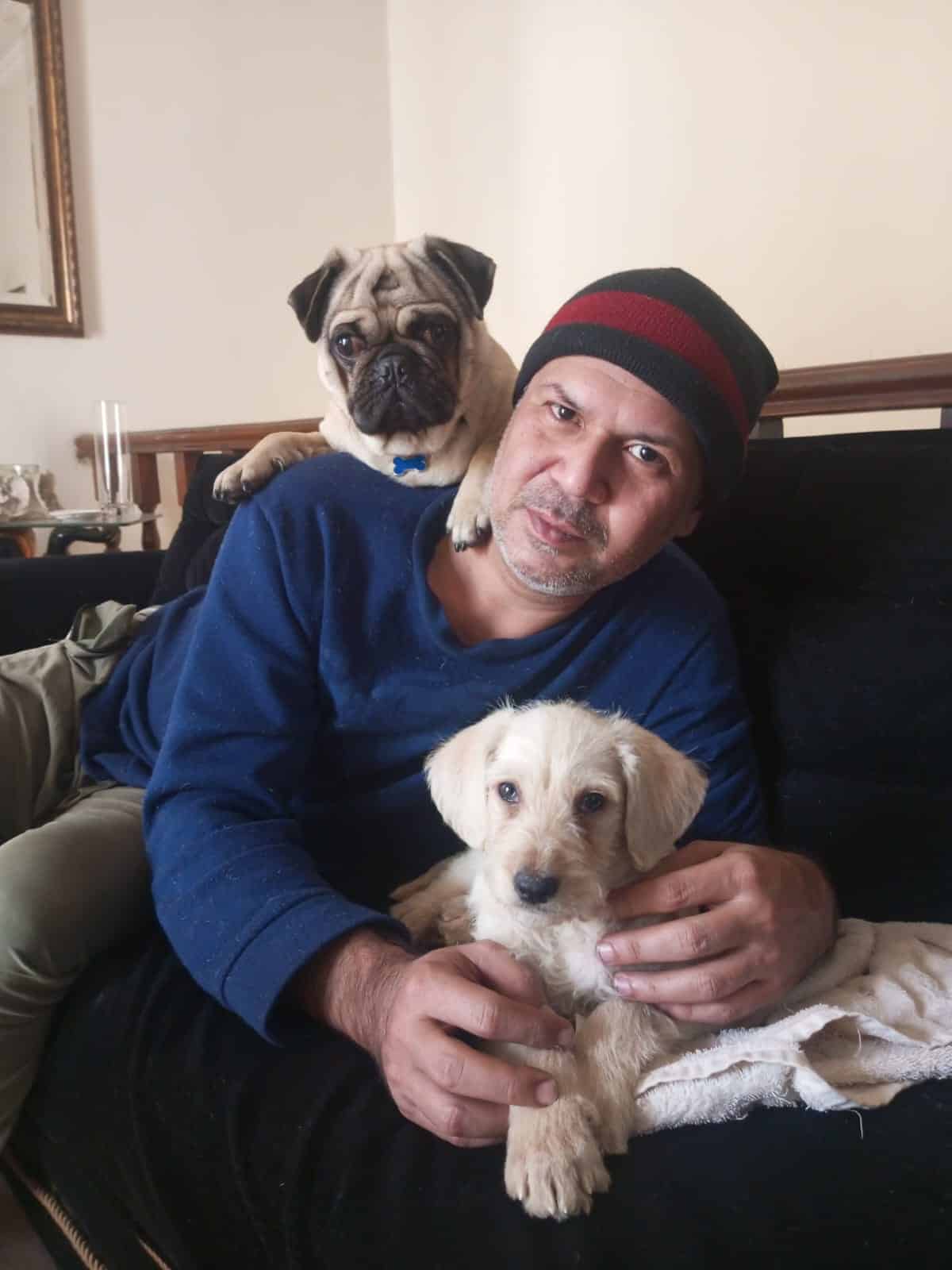
I have noticed this with my own dogs over the years. They each have their favourite way of settling down, and those little habits can tell you a surprising amount once you learn what is normal for them.
So, if you have ever looked at your sleeping dog and wondered, Why are you lying like that?, here are five common dog sleeping positions, what they may mean, and the changes worth paying attention to.
Five Adorable Dog Sleeping Positions and What They Mean
1. Side Sleeper – Calm, Comfortable, Deep Rest
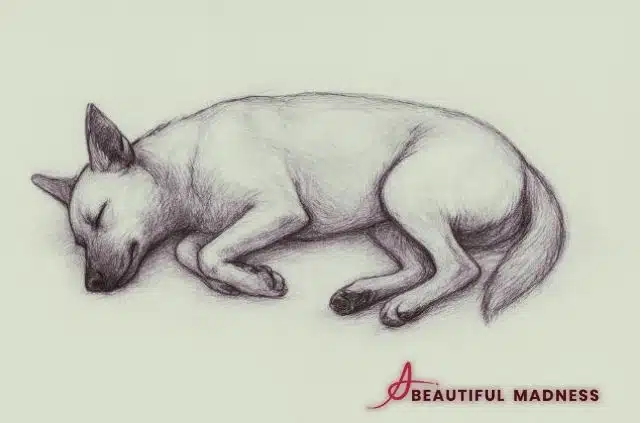
What it looks like: Your dog lies on their side with their legs stretched out and their belly partly exposed. You may even see their paws twitch as though they are chasing something in a dream.
What it may mean: Side sleeping is usually one of the more relaxed positions you will see. A dog that stretches out this way is generally comfortable enough to let their muscles relax and settle into deeper sleep.
It is also a very common position. Dogs Trust’s Generation Pup research found that stretching out or lying on the side was reported in the vast majority of dogs studied.
Puppies may do it after a busy play session, while older dogs may choose it simply because it feels comfortable. If your dog happily stretches out on their side in different parts of the house, that is usually a reassuring sign that they feel settled.
What matters more is a change from your dog’s usual pattern. If your dog normally sprawls on their side but suddenly starts curling tightly, repeatedly getting up, or struggling to lie down and get comfortable, take notice. Pain, stiffness, illness, or another change in how they feel can sometimes show up through altered sleep behaviour.
Dogs can change their sleeping positions when they are sick, so if you notice several changes at once, keep an eye on their appetite, energy, movement, and other symptoms rather than judging the position on its own.
2. Belly-Up – Trust, Cooling, and Total Relaxation
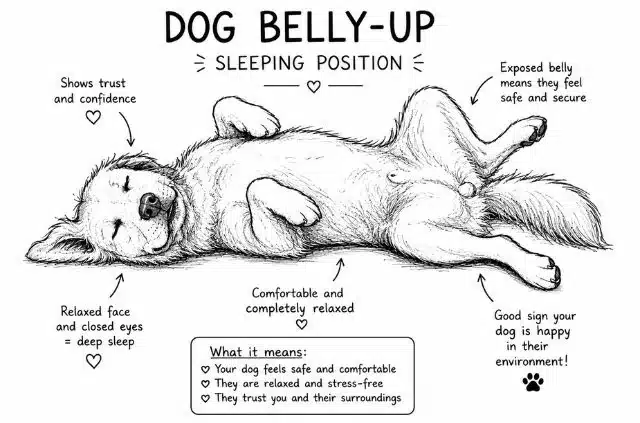
What it looks like: Your dog lies on their back with their belly exposed and their legs stretched into the air. Sometimes the paws are completely relaxed; sometimes they look as though your dog has simply given up on gravity.
What it may mean: For many dogs, this is a wonderfully comfortable position. Exposing the belly leaves a vulnerable part of the body uncovered, so a dog that happily falls asleep this way may feel secure in their surroundings.
There is also a practical reason for it. The underside of a dog has less insulating fur than many other areas, so lying belly-up can help release heat. On a warm day, you may find your dog choosing a cool floor and stretching out on their back at the same time.
It can be tempting to say that every belly-up dog is announcing, “I completely trust everyone here,” but dogs are a little more complicated than that. Temperature, comfort, body shape, habit, and the sleeping surface all play a part too.
Still, when the position is relaxed and your dog otherwise looks happy and comfortable, there is usually no reason to worry. You can look at other signs of a happy dog as well, such as relaxed body language, normal appetite, playfulness, and a willingness to interact.
If an older dog suddenly stops sleeping belly-up, that is not automatically a problem either. They may simply find another position more comfortable as their body changes with age.
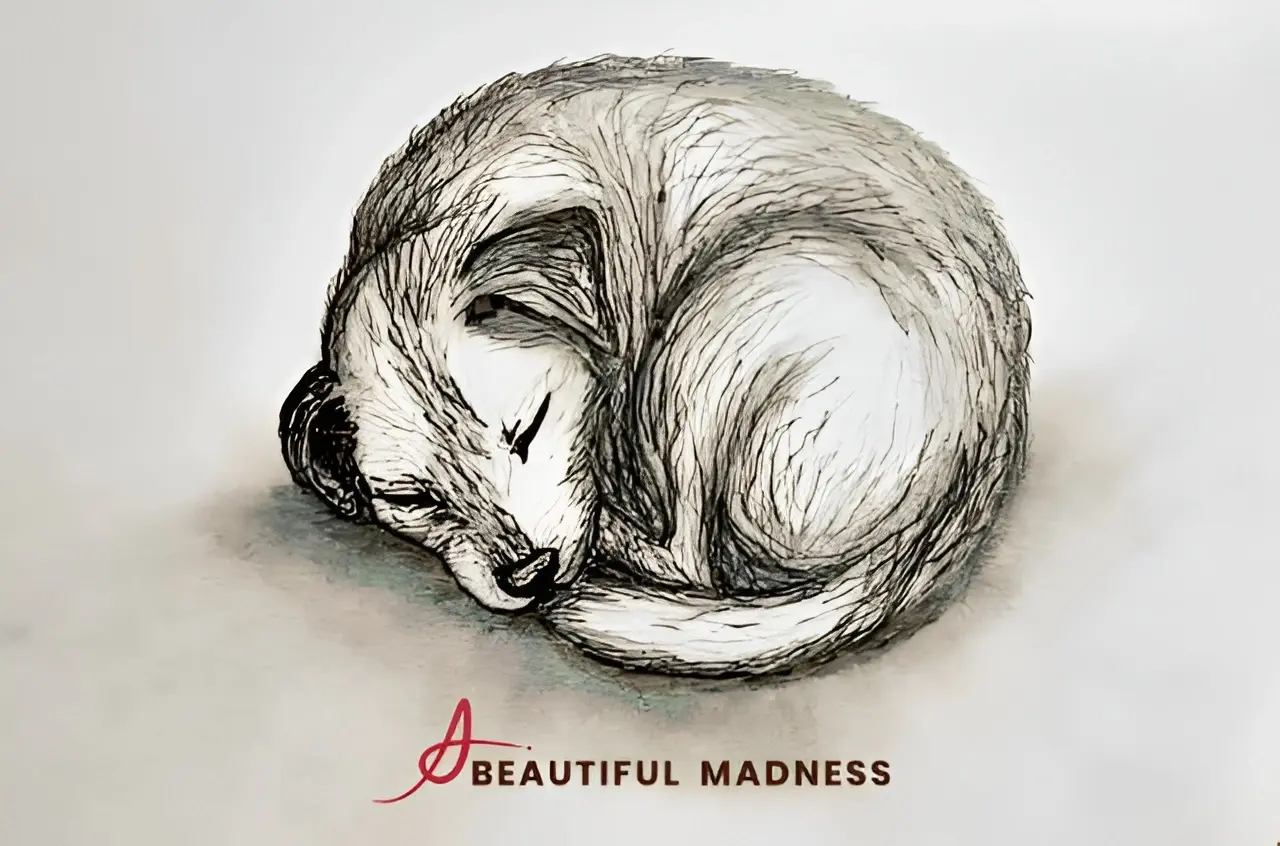
3. Donut or Curled-Up Ball – Warmth, Protection, and Comfort
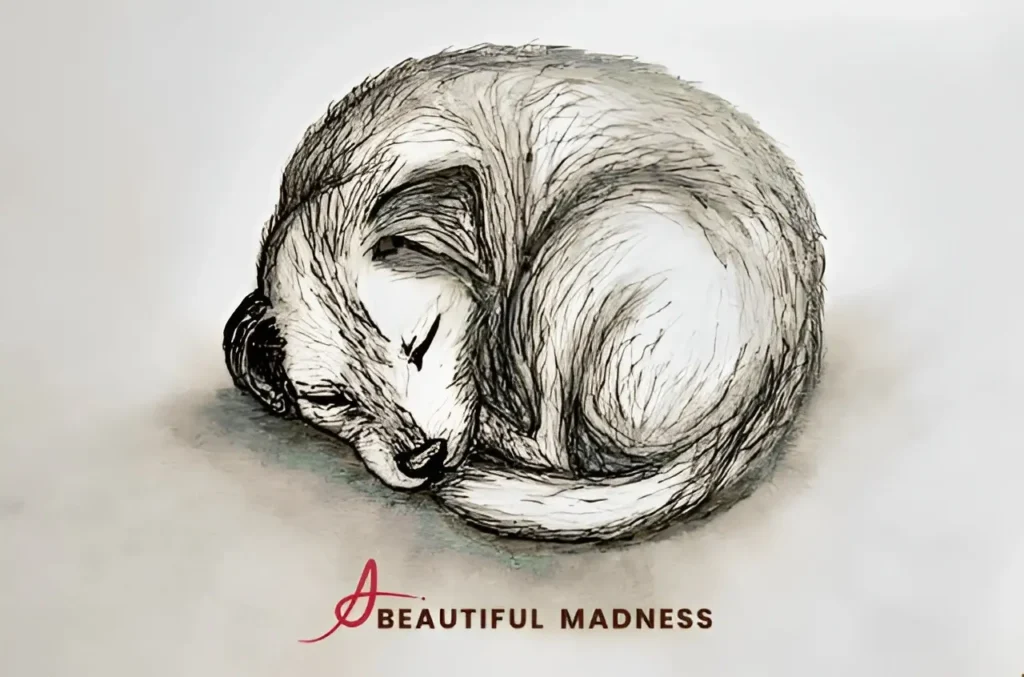
What it looks like: Your dog curls into a tight little ball with their paws tucked in and their nose somewhere near their tail or back legs.
What it may mean: The curled-up position is practical as well as adorable. Curling the body helps conserve warmth and creates a compact, protected sleeping shape.
You may notice it more during colder weather, after your dog has moved to a cooler room, or when they are sleeping somewhere that feels a little more exposed.
Newly adopted or shy dogs may also prefer smaller, tucked-away sleeping spaces while they are getting used to their surroundings. Some dogs take that idea even further and disappear completely under furniture or bedding. If your dog regularly sleeps under your bed, their choice of sleeping place can be just as interesting as the position itself.
A curled-up dog is not necessarily an anxious dog, though. Some dogs simply love sleeping that way.
The part I would pay attention to is a new and persistent change. If your dog normally sleeps stretched out but suddenly spends most of their sleep tightly curled, especially if they seem tense, reluctant to move, lose their appetite, or act differently when touched, something may be bothering them.
For a dog who simply likes the donut shape, a bed with a supportive edge can make the position even cosier. Some dogs clearly enjoy having something to lean against while they sleep.
4. Lion Pose or Sphinx – Light Sleep, Alertness, Ready to Move
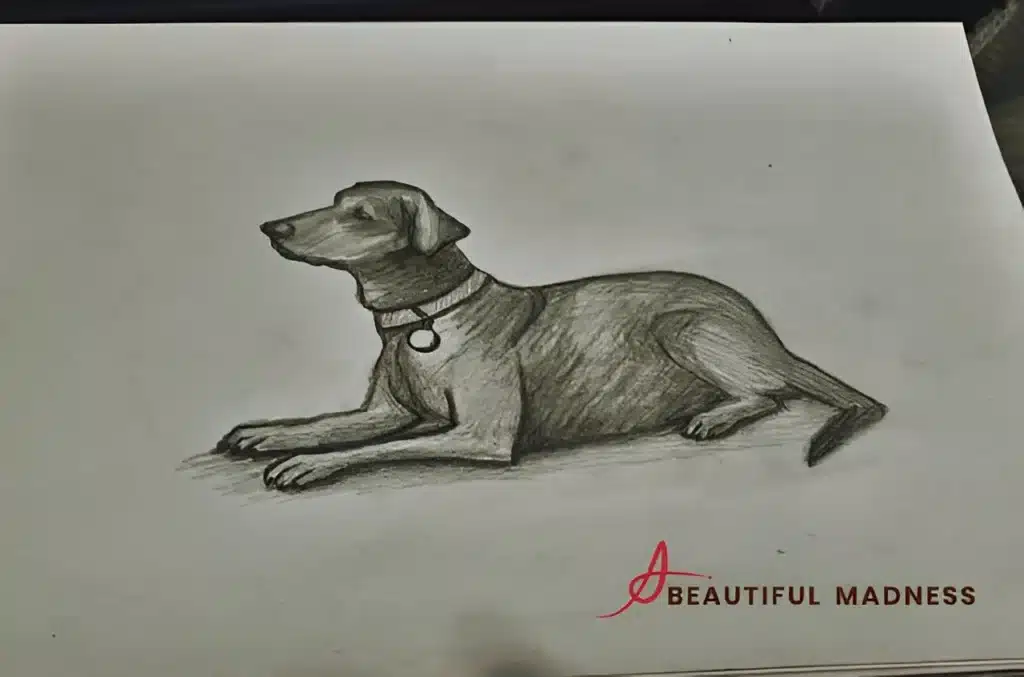
What it looks like: Your dog lies on their stomach with their front legs forward and their head resting on or just above their paws.
What it may mean: This is often more of a light resting position than a deep, completely relaxed sleep. Your dog may look sleepy, but they can still lift their head and get up quickly if something catches their attention.
You will often see this during daytime naps, particularly when your dog wants to rest without completely switching off. A noise outside, someone walking into the room, or the expectation of food or a walk can be enough to keep them in this half-ready position.
I have noticed it particularly in dogs that like to keep an eye on the household. You may find them lying this way near a doorway, beside the sofa, or at the foot of the bed where they can still see what everyone is doing. Some dogs also love sleeping at their owner’s feet, especially when they want to stay close without climbing into your lap.
The position itself is not a sign that your dog is anxious or guarding the house. Context matters. Look at the rest of their body language. Relaxed ears, loose muscles, normal breathing, and an easy transition into deeper sleep suggest ordinary resting. A tense body, constant scanning, repeated repositioning, or obvious restlessness tells you something different.
If your dog seems unable to settle into any deeper position and keeps waking at every small sound, it may be worth looking at what has changed around them. New people, unfamiliar noises, a different routine, or simply a busy household can affect how easily some dogs settle.
5. Superman or Sploot – Relaxed, Flexible, and Ready for Play
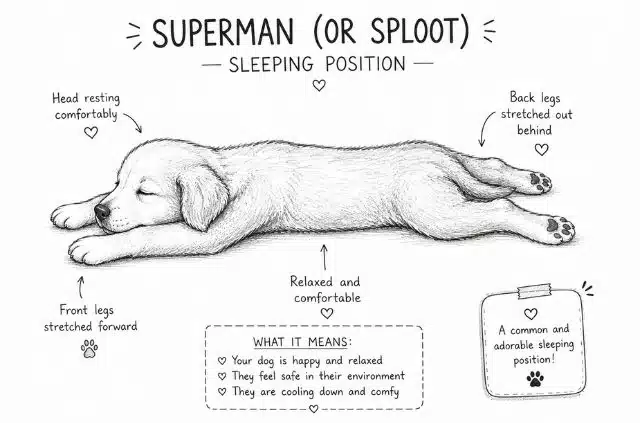
What it looks like: Your dog’s belly is flat against the floor, their front legs stretch forward, and their back legs stretch out behind them like a tiny superhero taking a break.
What it may mean: The Superman, often called a sploot, is one of those positions that makes it difficult not to smile.
You will often see it in puppies and energetic dogs. They can be completely worn out from playing, yet still look as though they could spring back into action the second someone picks up a toy.
The position can also help a dog cool down, especially when they stretch out on a cool floor. Some dogs simply find it comfortable because the extended position lets them relax their body after activity.
Breed and body structure can influence how easily a dog gets into a sploot, but you do not need to worry simply because your dog does it often.
What matters is how they move afterwards. If your dog gets up normally, walks comfortably, plays as usual, and does not seem stiff, the silly little pose is generally just part of their normal routine.
If they suddenly struggle to get up, seem stiff through the hips or legs, limp, or appear uncomfortable after resting, that is a different story. In that case, the change in movement matters more than the sleeping position itself.
Why Does My Dog Keep Changing Sleeping Positions?
Dogs do not necessarily choose one sleeping position and stay there all night.
They may start on their side, curl into a ball, stretch onto their belly, roll onto their back, and then move somewhere completely different an hour later.
That is normal.
Dogs move through different stages of sleep and may also shift because they are changing temperature, adjusting their body, responding to a sound, or simply looking for a more comfortable spot.
Research on household dogs has found that sleep is influenced by factors such as activity, time of day, and sleeping location. In other words, where and how your dog sleeps is not completely separate from what is happening around them.
So rather than trying to decode every single movement, I find it more useful to learn your dog’s normal pattern.
That gives you something to compare when a real change appears.
When a Change in Sleeping Position Is Worth Noticing
A strange sleeping pose on its own is rarely enough to tell you that something is wrong.
A sudden change plus other symptoms is much more useful information.
Pay closer attention if your dog suddenly:
- struggles to lie down or get back up
- keeps changing position without settling
- seems unusually stiff after sleeping
- avoids being touched
- hides more than usual
- eats or drinks less
- seems unusually tired when awake
- has noisy, rapid, or difficult breathing
- starts waking repeatedly during the night
- shows a noticeable change in their normal sleep routine
One unusual nap does not mean your dog is sick. But if the change persists, especially alongside other behaviour changes, it is worth speaking with your veterinarian.
If your dog is already unwell, the picture is a little different. A sick dog may change the way they curl up, where they sleep, how often they move, or how much they interact. In those situations, our guide to comforting a sick dog can help you think about making their resting space quieter and more comfortable while you follow your veterinarian’s advice.
What About Dogs That Hide While Sleeping?
Some dogs want to sleep in the middle of the living room where they can see everything. Others disappear beneath a bed, behind furniture, or under a blanket and look perfectly content there.
Privacy can simply be part of a dog’s preference. A quiet, enclosed spot can feel safe and comfortable, particularly when the house is busy.
The important part is whether hiding is normal for your dog.
If they have always loved their little cave, there may be nothing unusual about it. If they suddenly stop sleeping with the family and begin hiding for long periods, look at the bigger picture. Changes in appetite, energy, movement, or behaviour make that new hiding habit more meaningful.
Other Dog Sleep Habits Worth Watching
Sleeping positions are only one part of the picture. Once you start paying attention, you may notice your dog twitching, whimpering, barking, snoring, or waking several times during the night too.
FAQs People Ask Me About Dog Sleeping Positions
Yes. Dogs go through REM sleep and they twitch, whimper, or even run their legs while dreaming. Research supports that animals replay daytime events during sleep. If your dog has what looks like an intense nightmare, call their name softly rather than touching them suddenly. Let them wake on their own most of the time.
Puppies and senior dogs sleep more, often 18 to 20 hours a day. Adult dogs usually average about 12 to 14 hours, though I noticed that activity level and health change that a lot. If your dog suddenly sleeps much more or much less, it is a sign to check in with your vet.
Often yes. Partial eye opening can happen in light sleep and is usually harmless. If those episodes come with jerking, disorientation, or unusual behavior afterward, record what you see and mention it to your vet.
Be concerned when a sleep habit changes suddenly and stays changed, or when you hear noisy or rapid breathing while resting. If your dog seems less active, eats less, or is reluctant to move, those are red flags. A dog that holds their head and neck raised to breathe at rest needs veterinary attention.
Yes, dogs can twitch their paws, faces, or bodies while sleeping, especially during dreaming. Occasional twitching is usually normal, but unusually intense or prolonged movements are worth mentioning to your vet.
Dogs may whimper, squeak, huff, or even bark while dreaming, and occasional sounds are usually nothing to worry about. If the vocalising becomes frequent, intense, or happens alongside unusual behaviour when awake, speak with your vet.
Puppies and senior dogs generally sleep more than healthy adult dogs. Adult dogs often sleep around 12–14 hours a day, but the normal amount varies with age, activity, health, and individual routine.
Occasional restlessness can happen because your dog needs to go outside, feels too warm, hears a noise, or has had a change in routine. Persistent or newly developed nighttime restlessness, especially with pacing, panting, pain, or confusion, deserves closer attention.
Some dogs snore occasionally, but new, loud, or persistent snoring can be worth discussing with a vet. Pauses in breathing, gasping, choking sounds, or obvious difficulty breathing need prompt veterinary attention.
A sleeping position is usually less concerning than a sudden change in your dog’s normal sleep habits. Pay attention if your dog becomes restless, struggles to get comfortable, seems painful or unusually tired, stops eating, or has difficulty breathing.
Bottom Line
Dogs talk to us with their bodies, and sleep is one of the quieter ways they do it.
A relaxed side sleeper may simply have found the perfect position for deep rest. A belly-up dog may be cooling down or enjoying the confidence of a comfortable home. A curled-up dog may be keeping warm. The lion pose can be a light nap with one eye metaphorically still on the household, while the Superman sploot is often the sleeping position of a dog who is tired but never quite finished being playful.
But there is no single dictionary that translates every sleeping pose perfectly. Your dog’s age, personality, environment, temperature, routine, health, and favourite sleeping spot all matter.
That is why I think the most useful thing you can do is simply watch the pattern.
Notice where your dog normally sleeps. Notice how they settle. Notice how easily they get up. Notice the little things they do every day.
Then, when something genuinely changes, you are much more likely to notice it.
Those tiny observations may seem ordinary, but they are part of knowing your dog well. And sometimes, they are exactly what helps you realise that your best friend needs a little extra comfort—or a conversation with the vet.