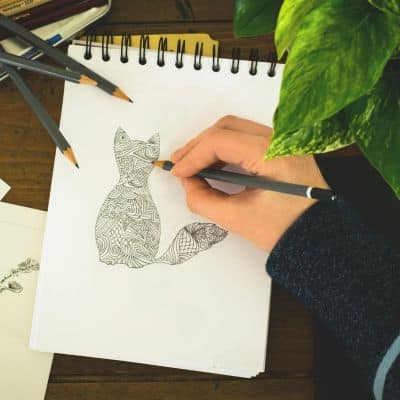
If you’ve ever found yourself making simple pencil impressions on paper at your place of employment or classroom doodling, then you are almost there: you’ve just created accidental zendoodle artwork! Zendoodle’s award-winning designs consist of patterns turned out of your subconscious, but transformed into intentional, peaceful artwork that is also artistic.
While it helps if you have experience drawing, you do not have to be “great” or even “good” to get the creative outlet that zendoodling provides; rather, it is a way of experiencing your own personal artistry through rhythm and repetition as well as relaxation while doing so. Let’s take a look at the definitions, processes and benefits of zendoodling, as well as 40 simple zendoodle patterns for you to start producing today!
What Are Zendoodle Patterns?
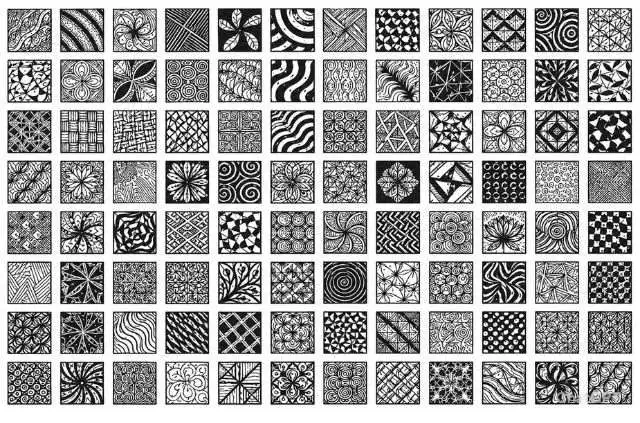
Zendoodle patterns are repetitive, structured doodles made from simple shapes such as lines, dots, curves and waves. When combined, these elements create visually rich designs that look complex but are actually very easy to draw. The detailed work of many famous doodle artists similarly demonstrates how basic repeated marks can develop into intricate and recognisable compositions.
Zendoodling is often associated with the Zentangle method, which focuses on creating structured patterns inside defined spaces. However, zendoodles are more freeform and flexible—you can fill an entire page, shapes, letters, or even illustrations with patterns.
At its core, zendoodling is about:
- Repetition
- Flow
- Relaxation
- Creativity without pressure
List of related articles about doodling — you must check them out if you’re a doodle lover like me.
- What Is Doodle Art?
- Why Do People Doodle?
- How to Draw Doodles
- Doodle Notes
- Funny Doodles to Draw Anytime
Why Zendoodle Patterns Are Great for Beginners
Many people enjoy zendoodle designs because they fear of “not being an artist” because there are no specific guidelines for proportion, realistic representation or color theory.
Here’s the reasons
- No drawing ability is required for this hobby, just some basic lines and shapes.
- The results are immediate and even the simplest of patterns appear attractive when you repeat them.
- Because the motions are repetitive, they can create a meditative and calming effect.
- It is a portable hobby, as all you need is a pen and paper.
- You are free to create your own representation of any design because each pattern can develop into a unique representation of you.
Zendoodling is often used as a mindful activity because it helps you focus on the present moment instead of overthinking.
Basic Supplies You Need
You don’t need to purchase expensive art supplies. Just go for the basics
- Black fineliner pen (0.3–0.8 mm is best)
- Blank white sketchpad or paper
- Pencil (optional for outlines)
- Eraser (optional)
That is all that is necessary to use no paint, no digital artists’ tools, no elaborate setup.
How to Start Drawing Zendoodle Patterns
Before jumping into the 40 patterns, here’s a simple method to begin:
- Start with a basic shape or space; It could a square, circle, rectangle or any random object. You can use just a blank piece of paper.
- Split it up; To do that draw either curved lines or straight across as they go out or down from centre of your drawing.
- Fill in each section; When you are done filling out the sections you have created in the first two steps, decide what pattern you would like to use in those areas. Repeat this process throughout the rest of the drawing.
- Add some variation to each section of your pattern; You may want to consider changing the weight, distance or direction of each line in your design.
- There is no set point at which you are done or have done enough. You will know you have completed part of your drawing when it looks balanced.
Once you’re comfortable with these basic patterns, try applying them to everyday objects instead of abstract shapes. Simple subjects like toast, coffee mugs, pancakes, fruit, and eggs make excellent practice because they combine familiar outlines with repetitive pattern fills. If you’re looking for inspiration, explore these breakfast doodle ideas to see how ordinary morning foods can become fun zendoodle projects.
Simple waves, leaf repeats, sunbursts and shell-like curves can also be used as borders around summer sketchbook doodles. The same patterns also work beautifully on everyday illustrations, from coffee mugs and toast to pancakes and fruit. If you’re looking for another beginner-friendly project, these breakfast doodle ideas are a fun way to practise using repetitive patterns on familiar objects.
40+ Easy Zendoodle Patterns for Beginners to Advanced
Below are 40+ zendoodle patterns organized by style. These are perfect for sketchbooks, journaling, Pinterest pins, and mindful doodle practice.
Beginner-Friendly Zendoodle Patterns
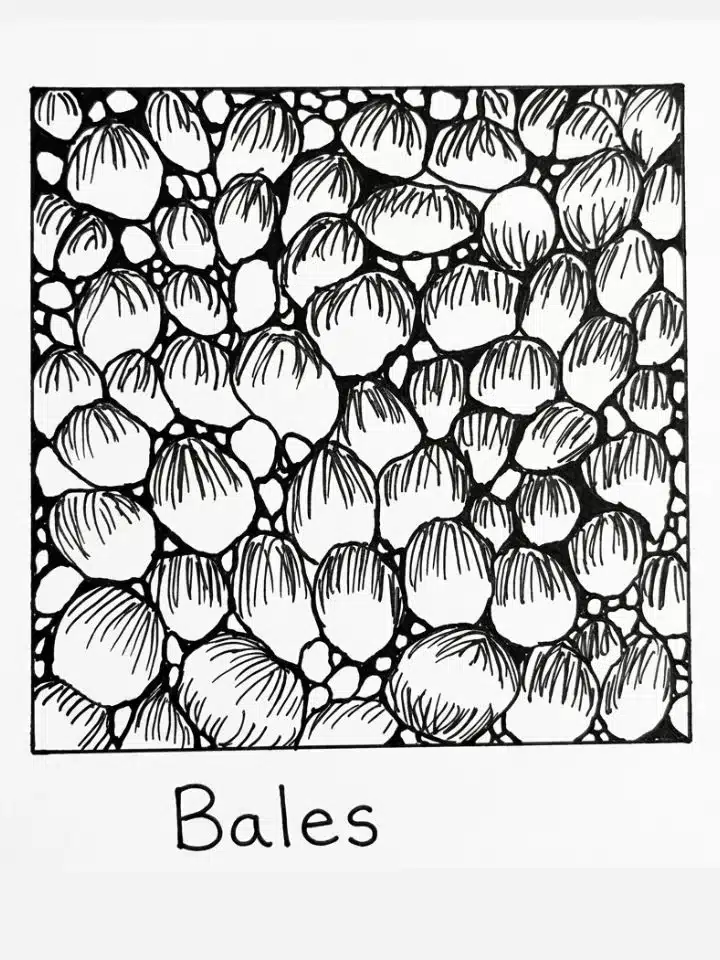
1. Bales
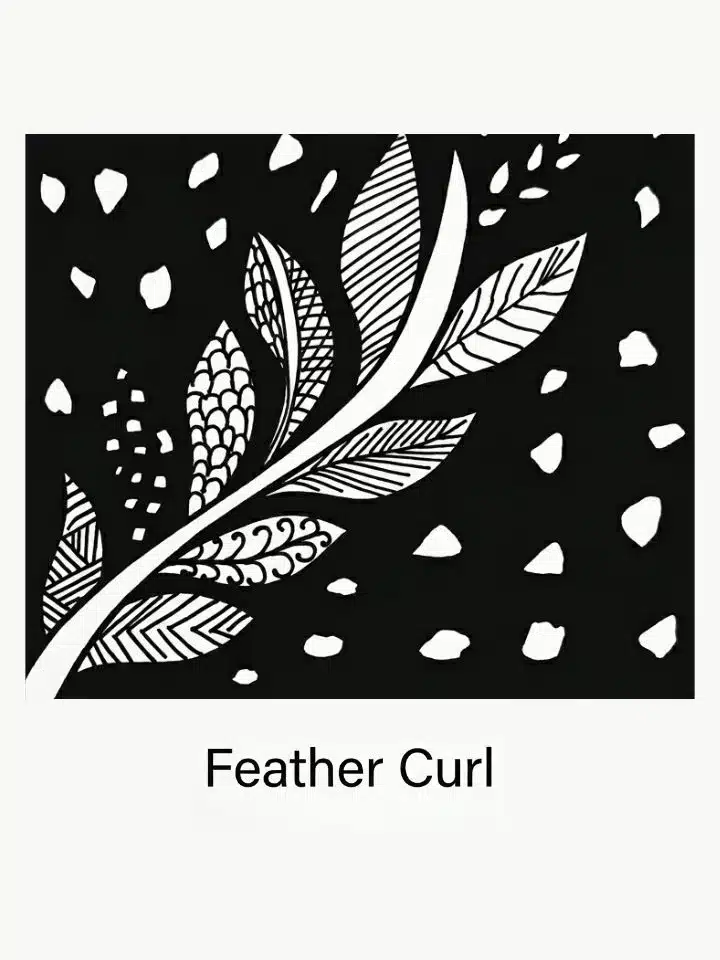
2. Feather Curl
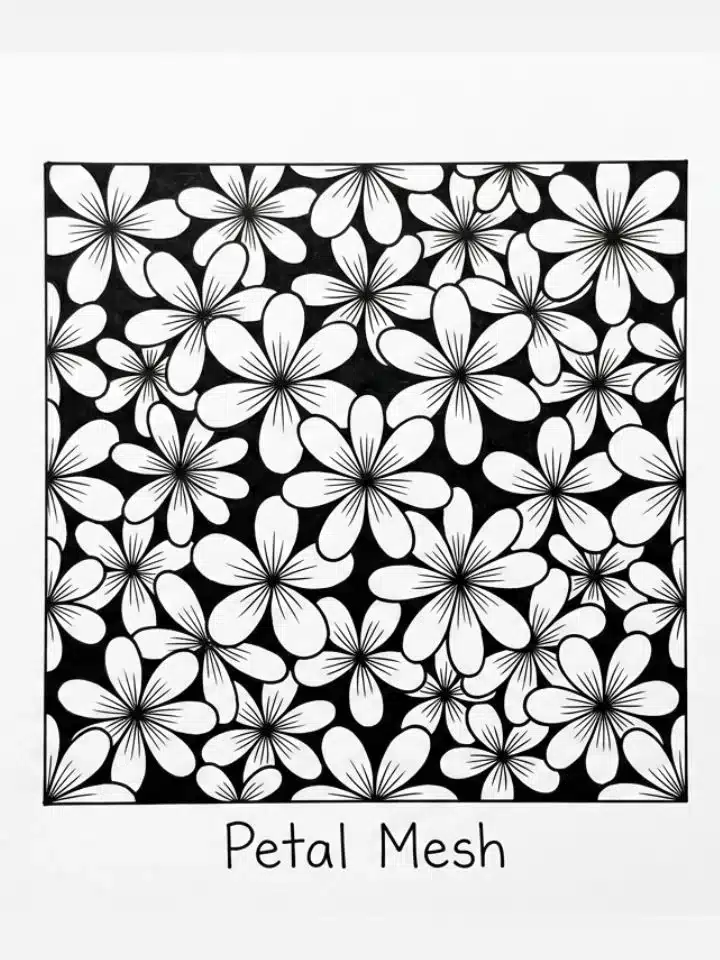
3. Petal Mesh
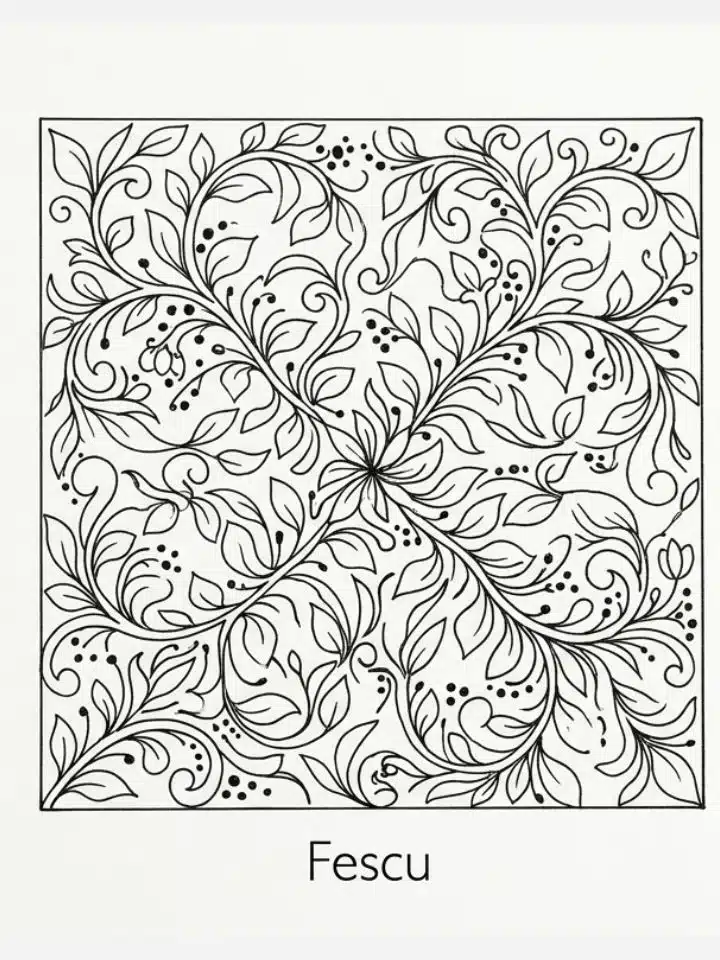
4. Fescu
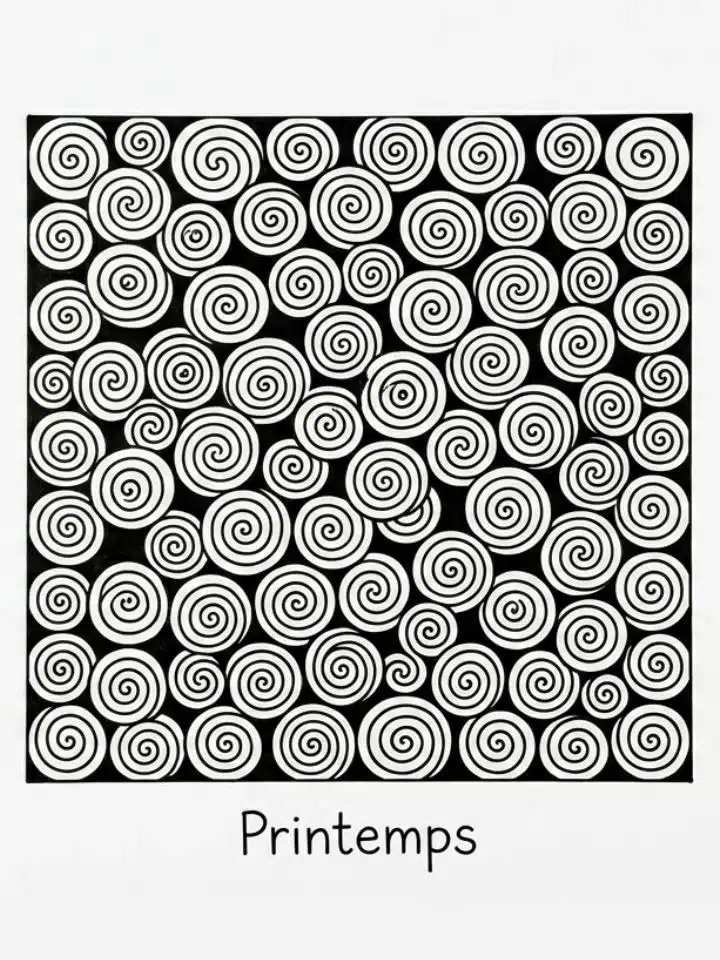
5. Printemps
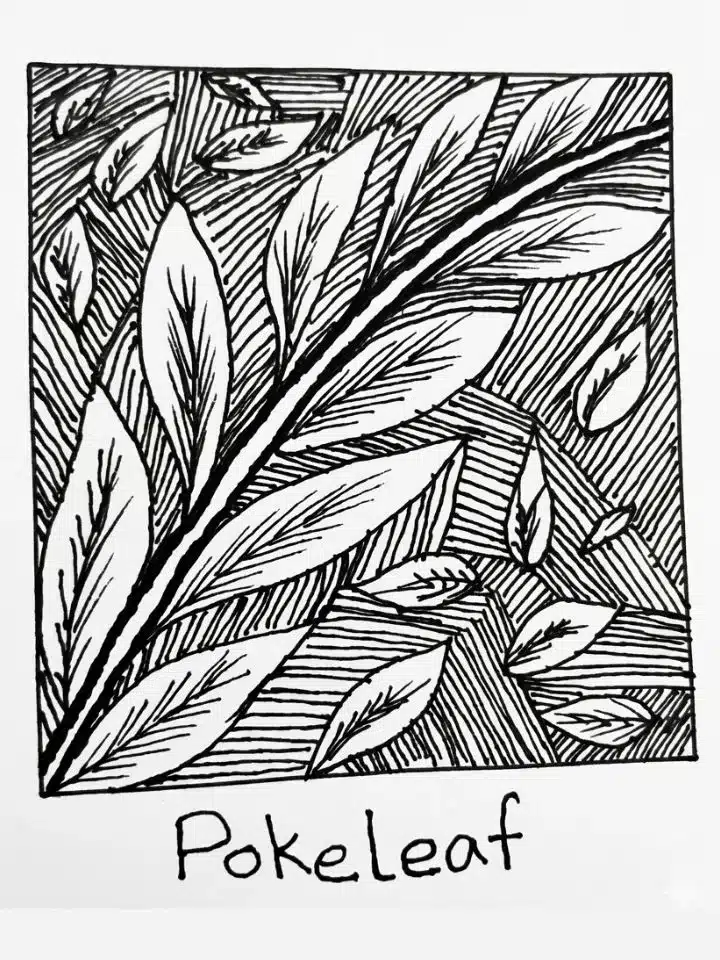
6. Pokeleaf
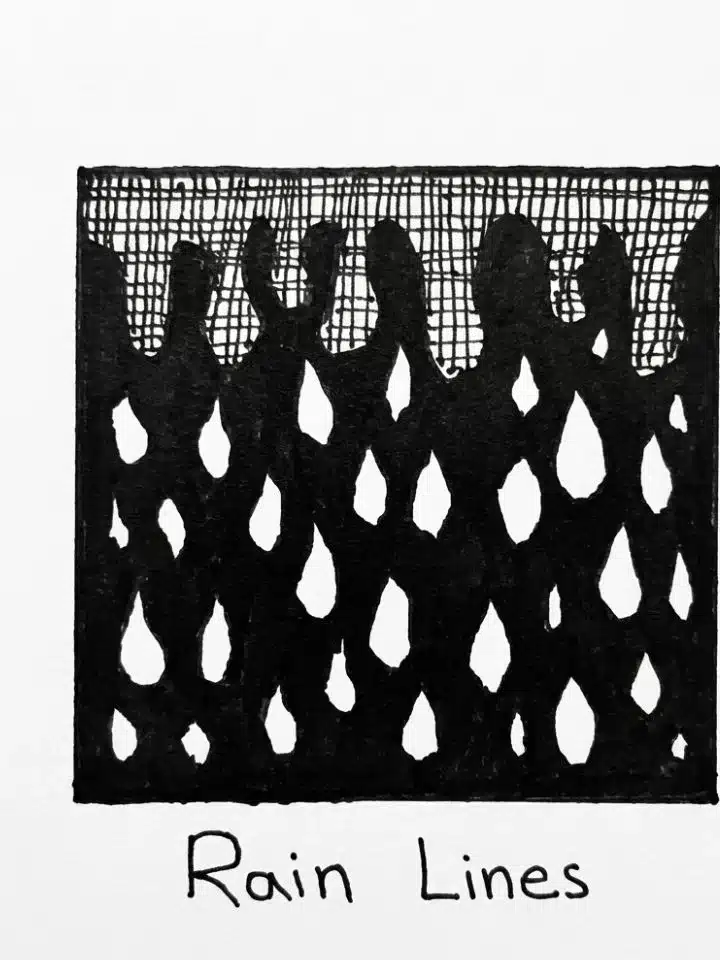
7. Rain Lines
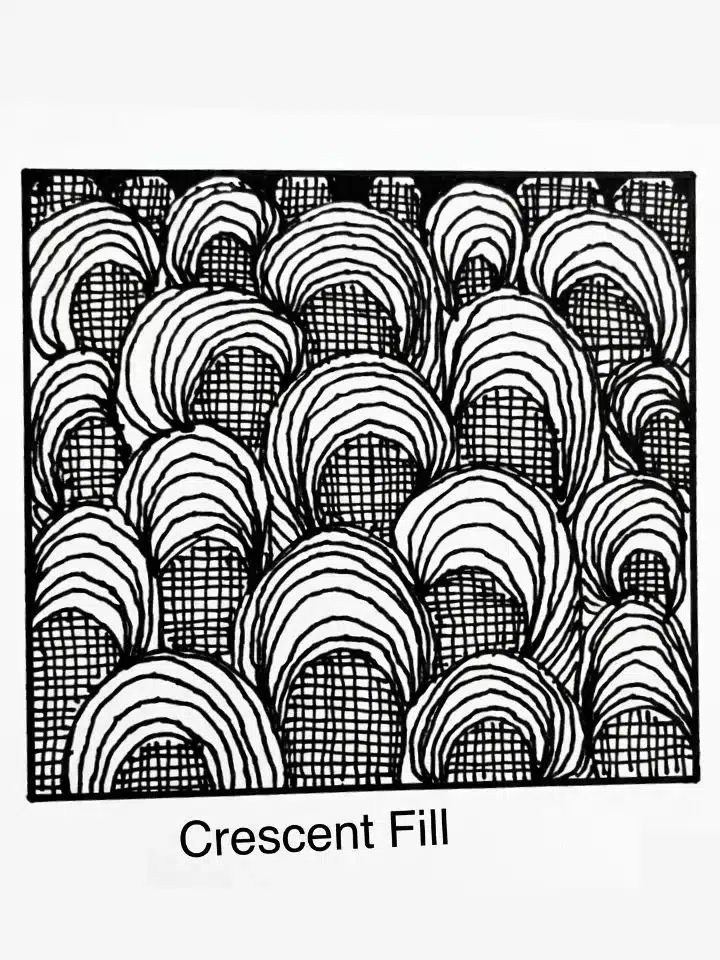
8. Crescent Fill
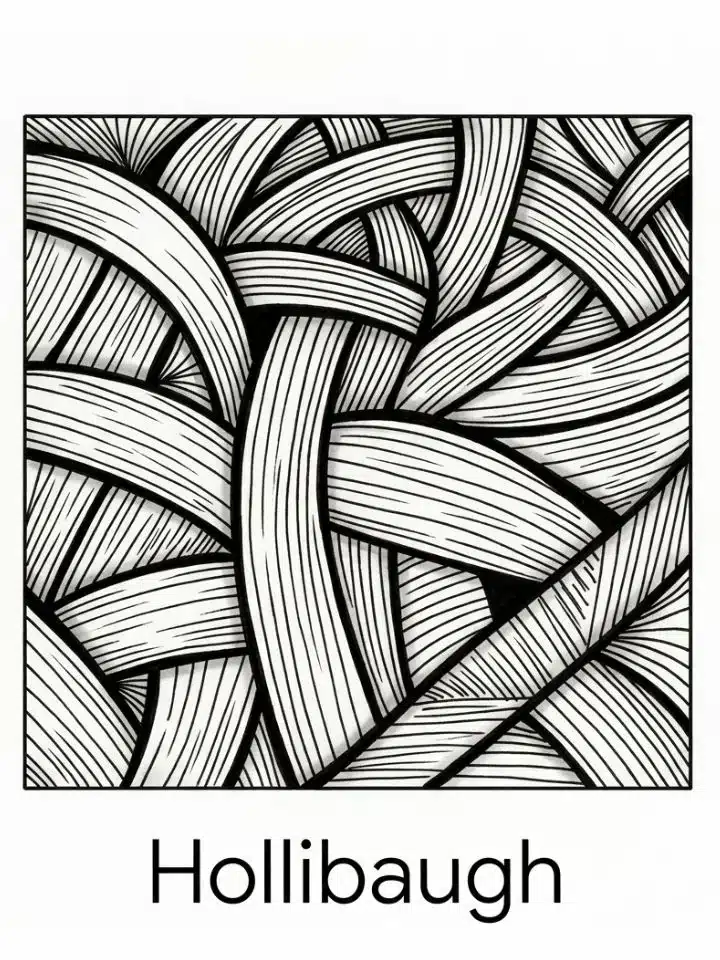
9. Hollibaugh
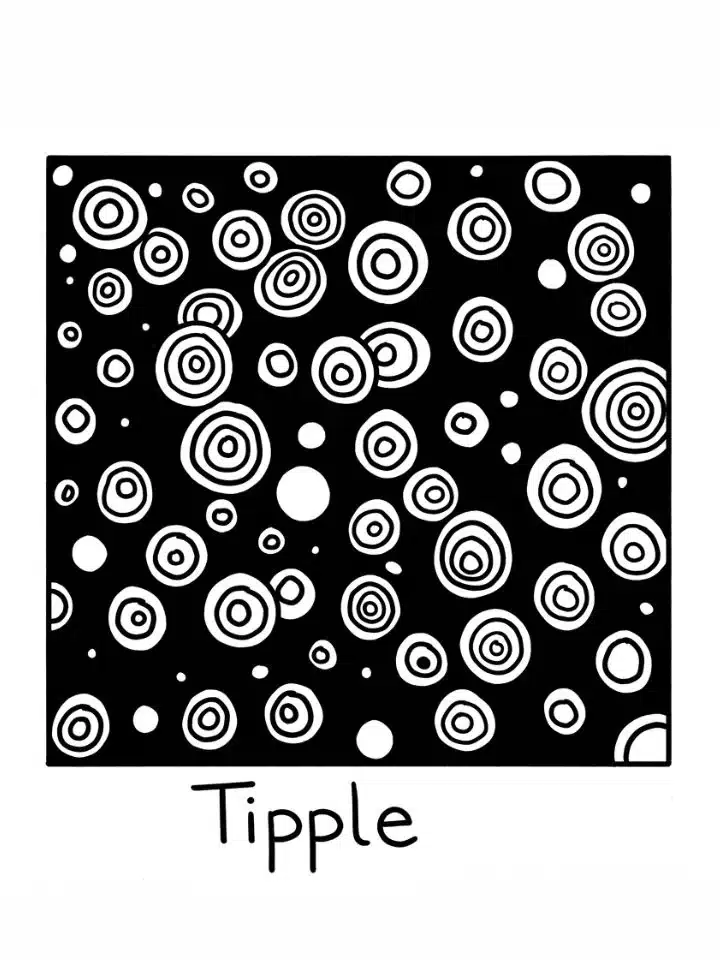
10. Tipple
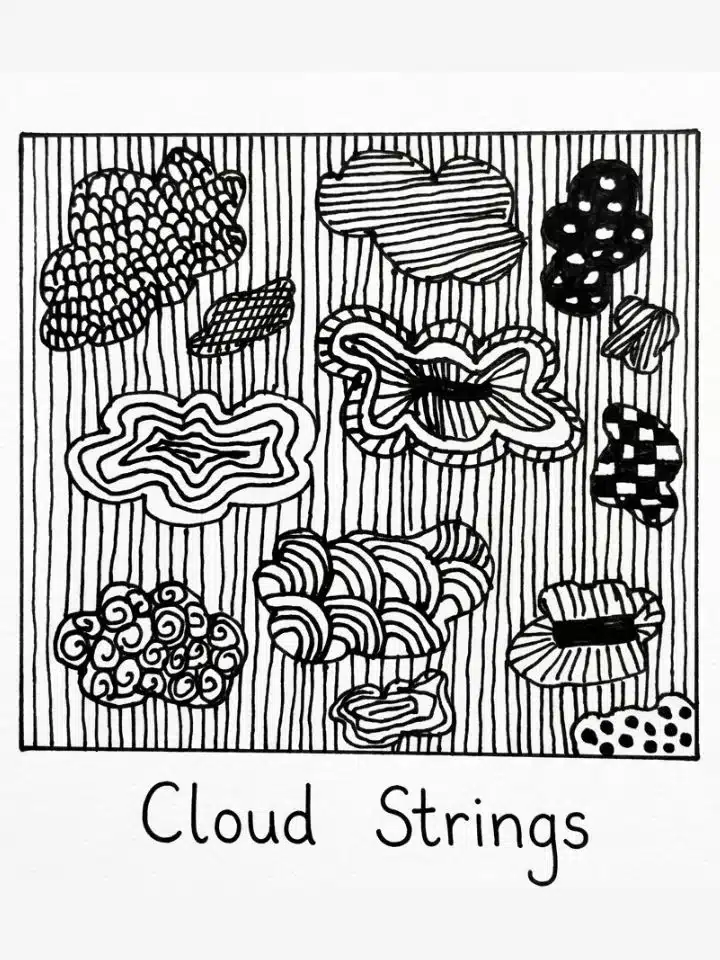
11. Cloud Strings
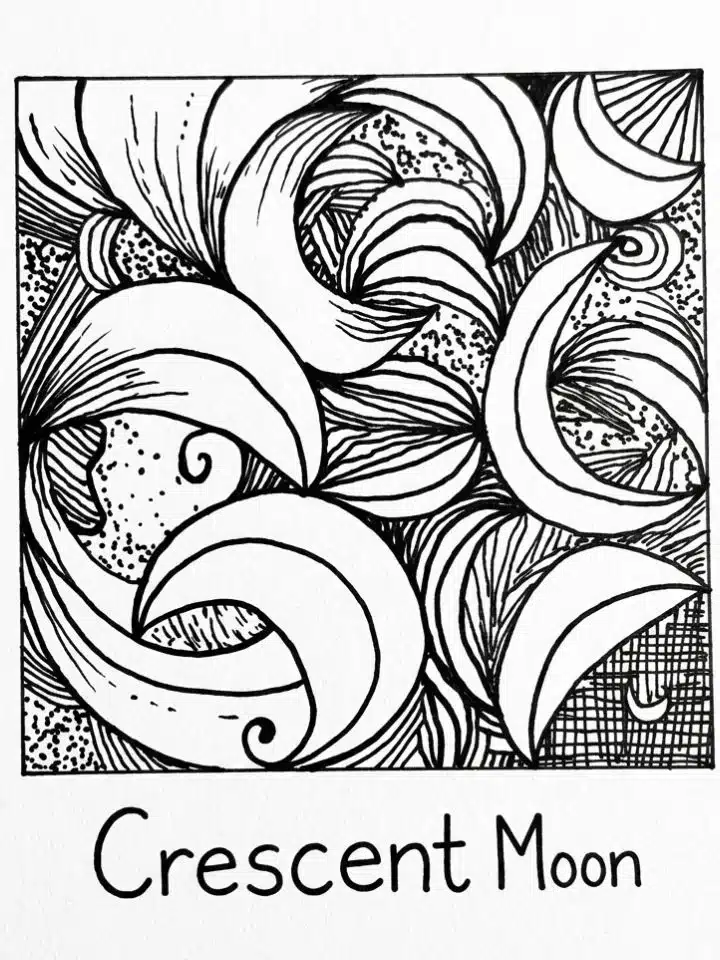
12. Crescent Moon
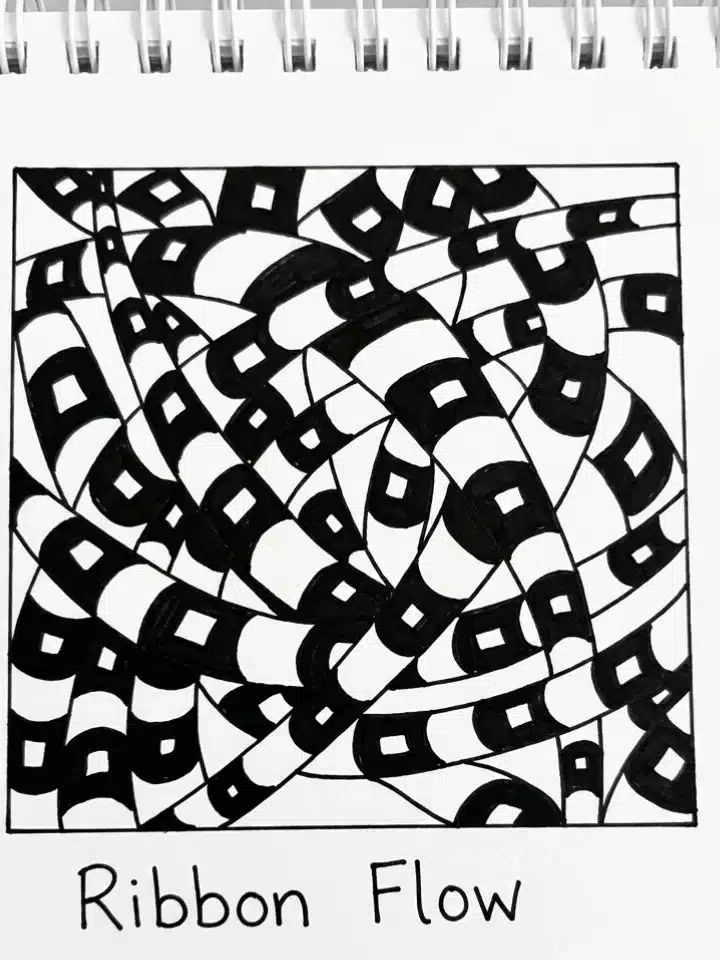
13. Ribbon Flow
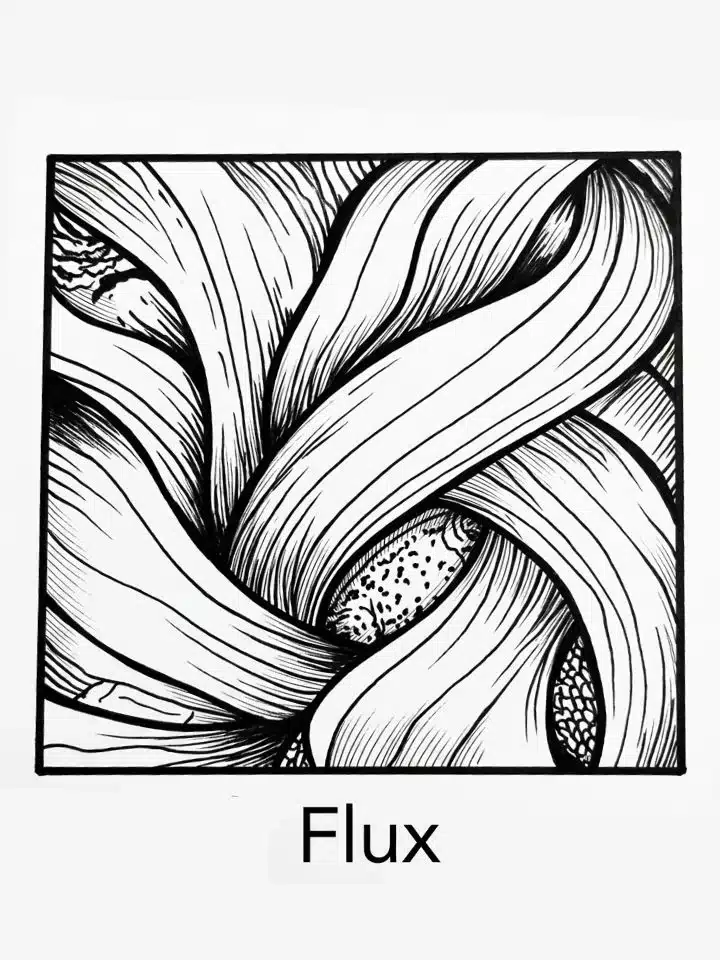
15. Flux
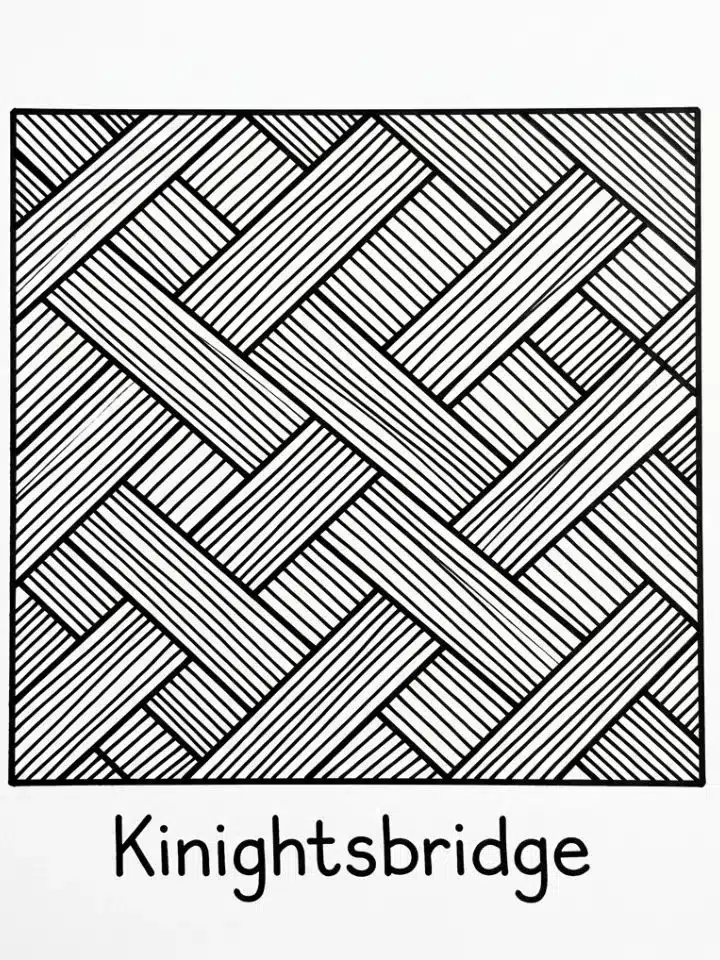
16. Knightsbridge
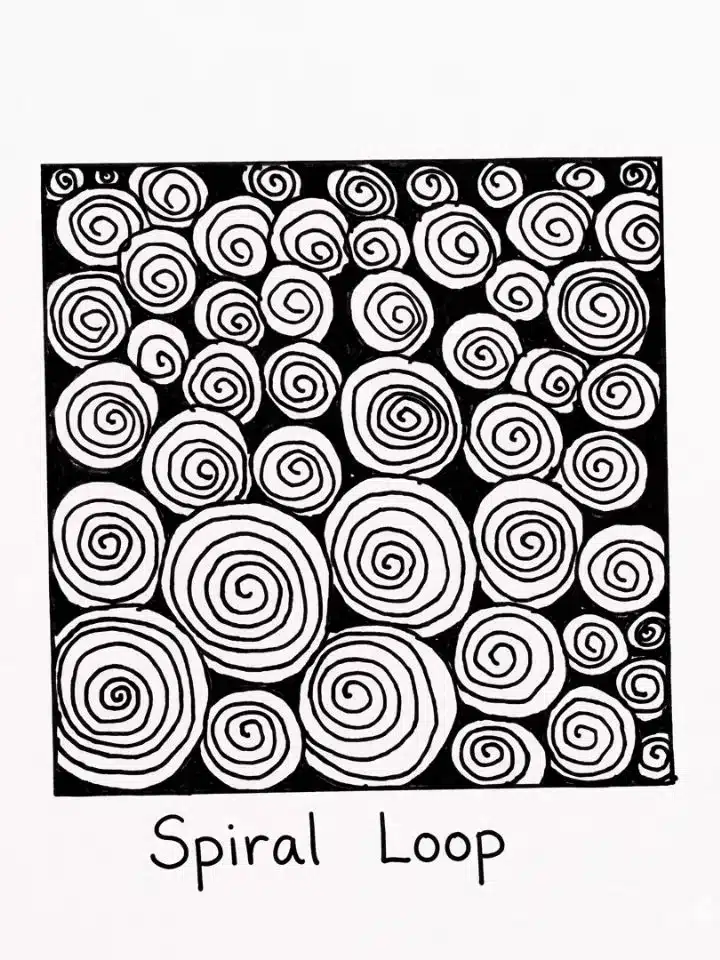
17. Spiral Loop
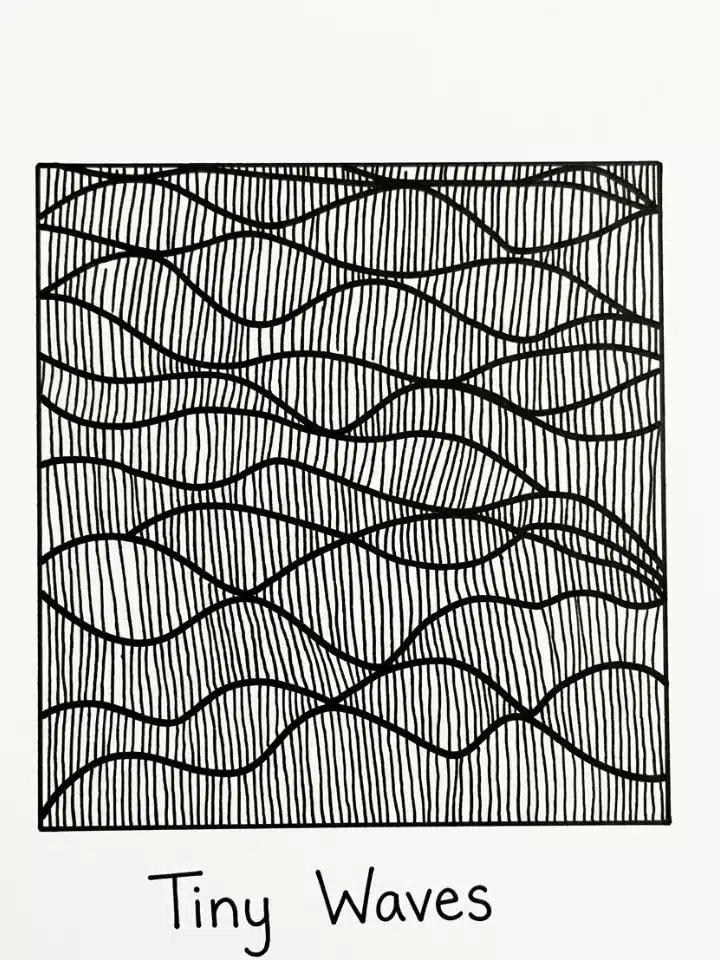
18. Tiny Waves
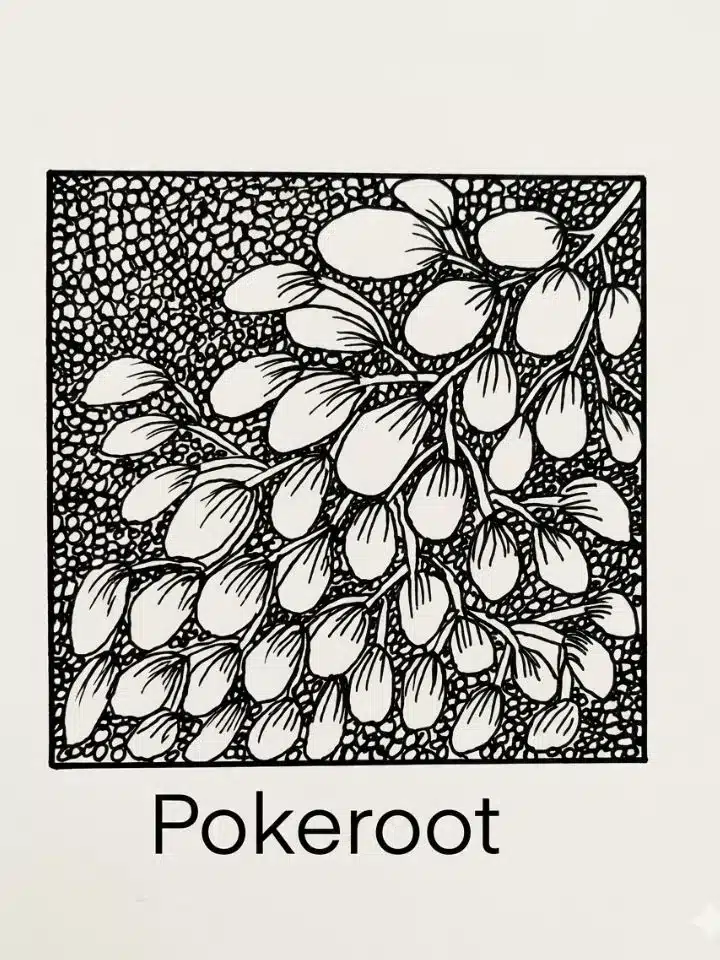
19. Pokeroot
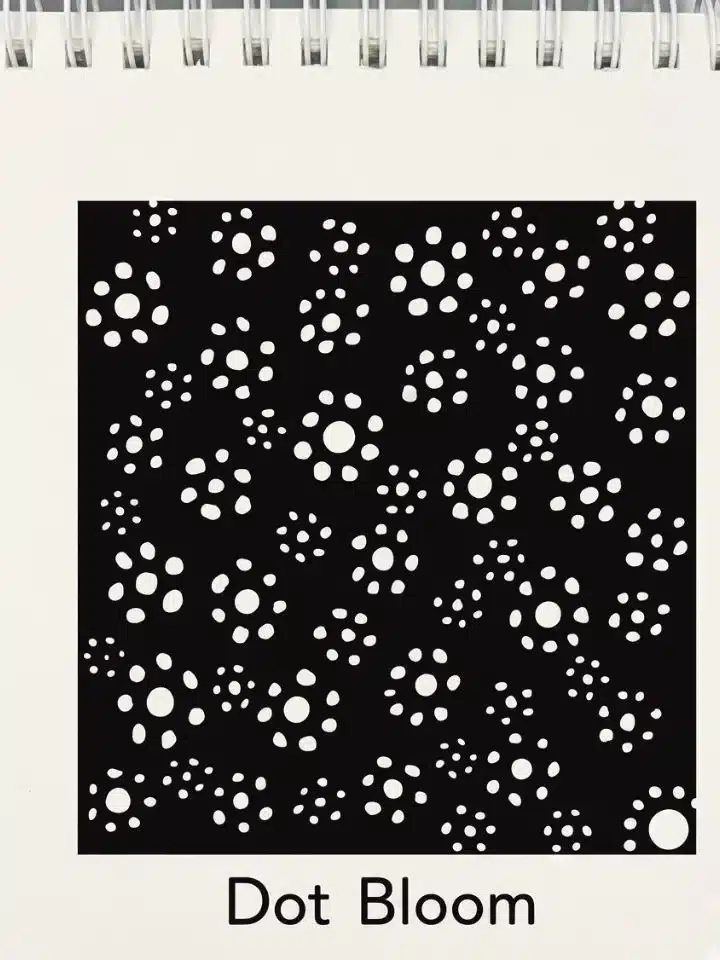
20. Dot Bloom
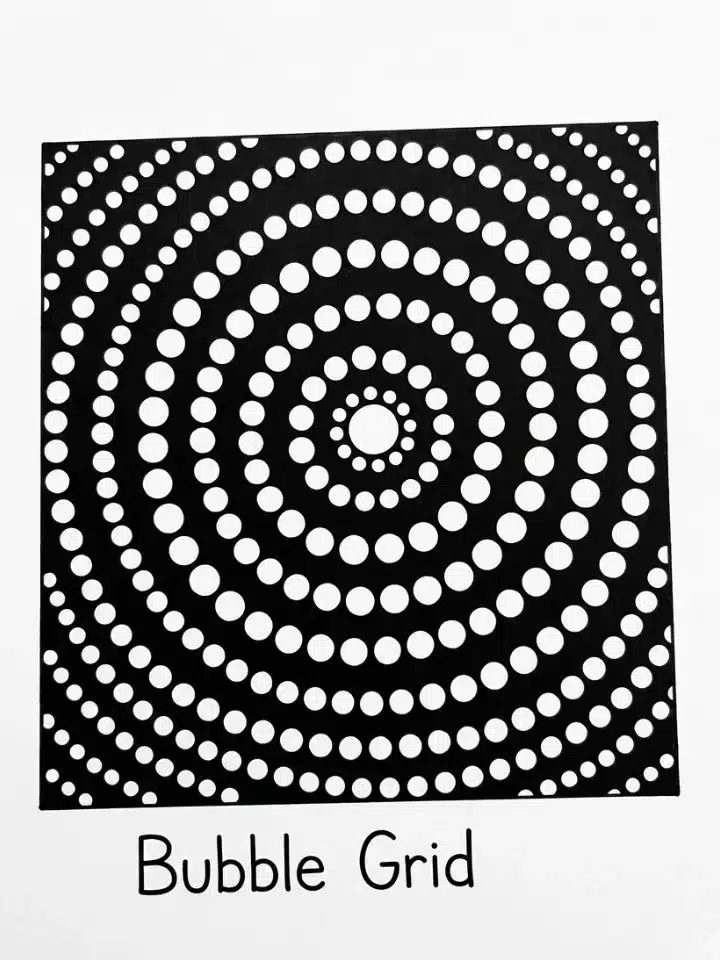
21. Bubble Grid
Geometric & Abstract Zendoodle Patterns
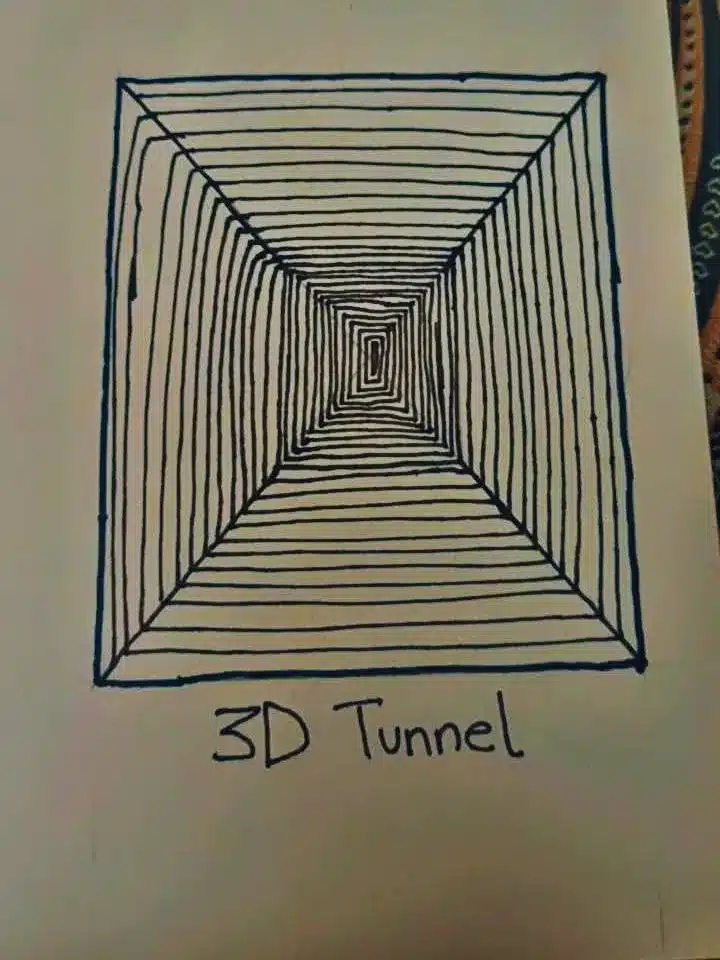
These patterns use shapes, repetition, perspective, and visual effects to create more complex designs. If you enjoy experimenting with depth and optical effects, optical illusion doodles are another fun style to explore.
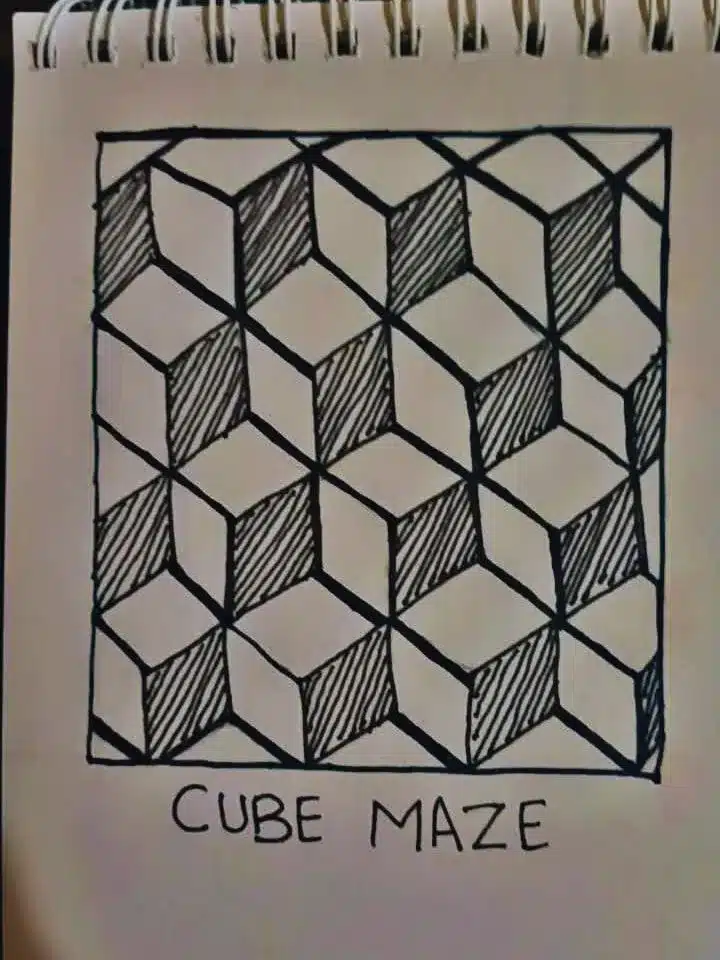
22. Cube Maze
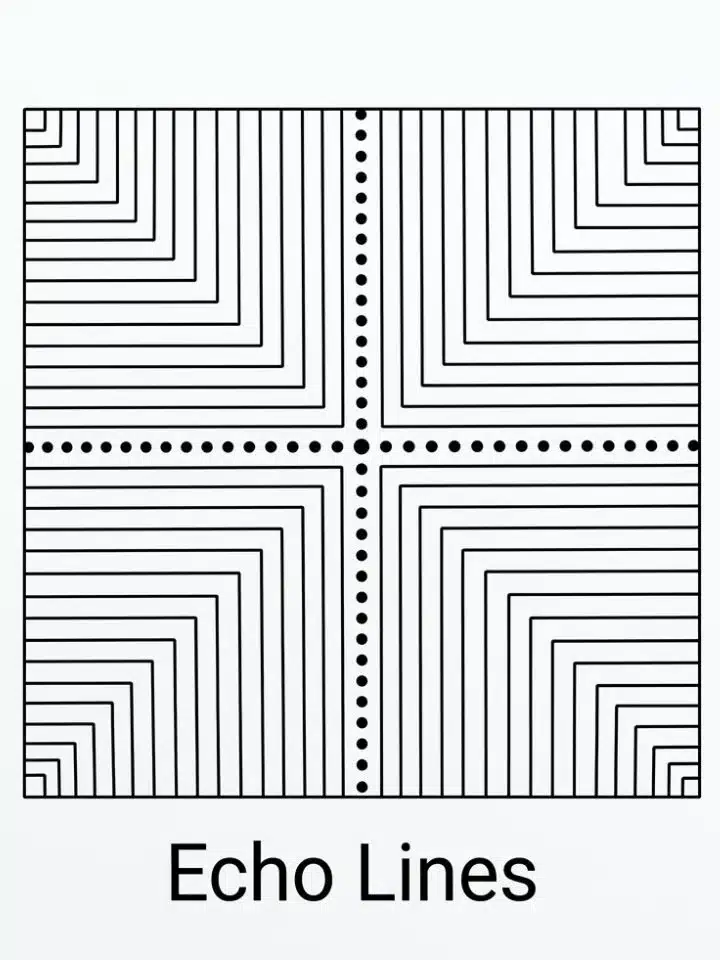
23. Echo Lines
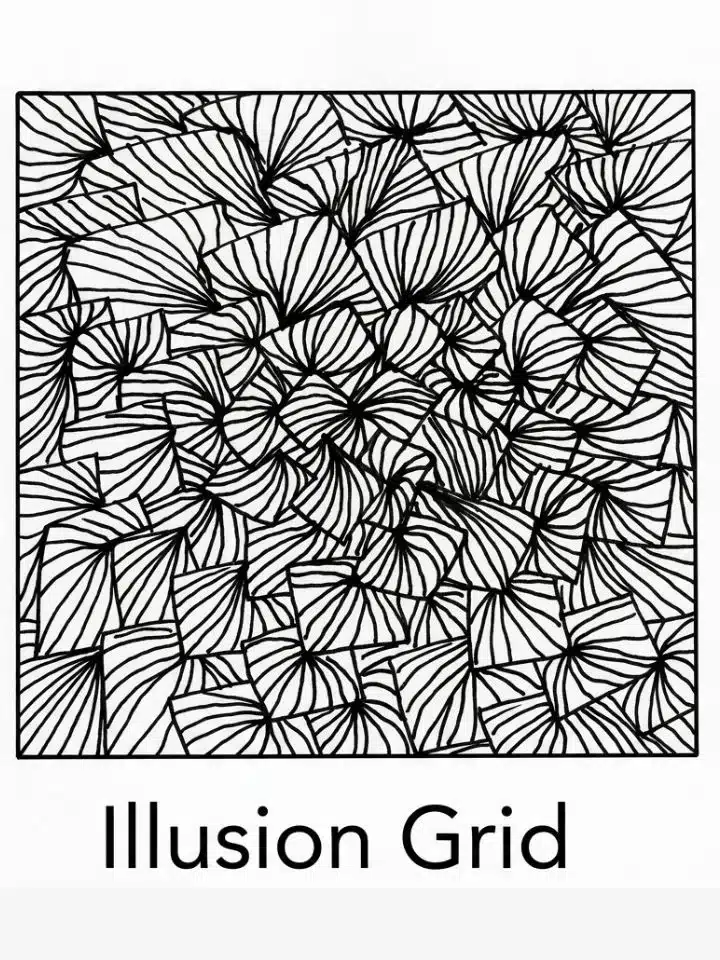
24. Illusion Grid
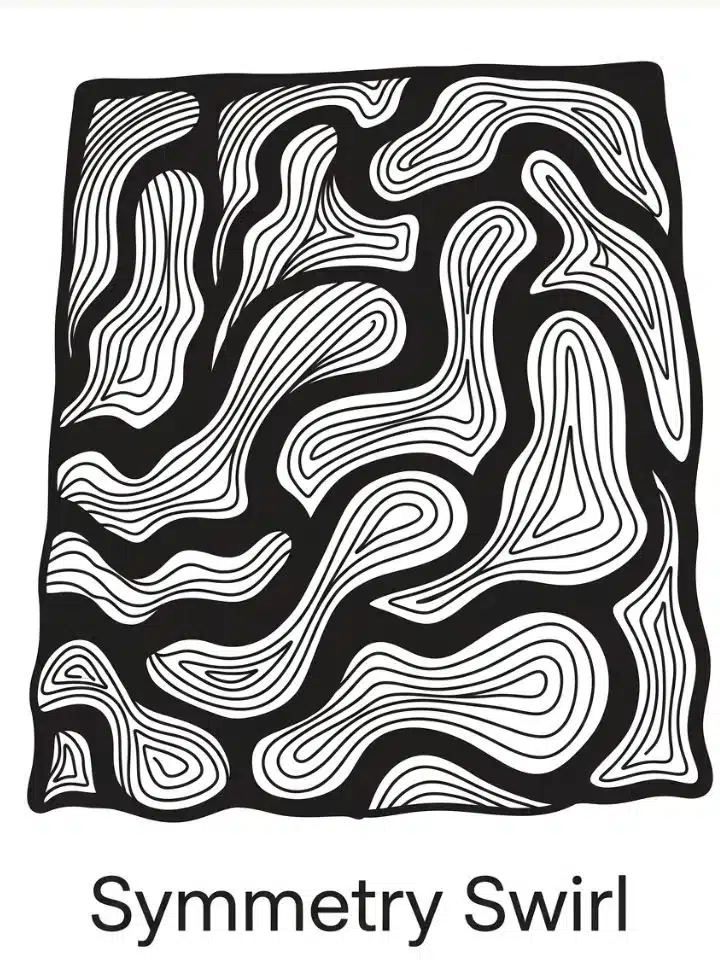
25. Symmetry Swirl
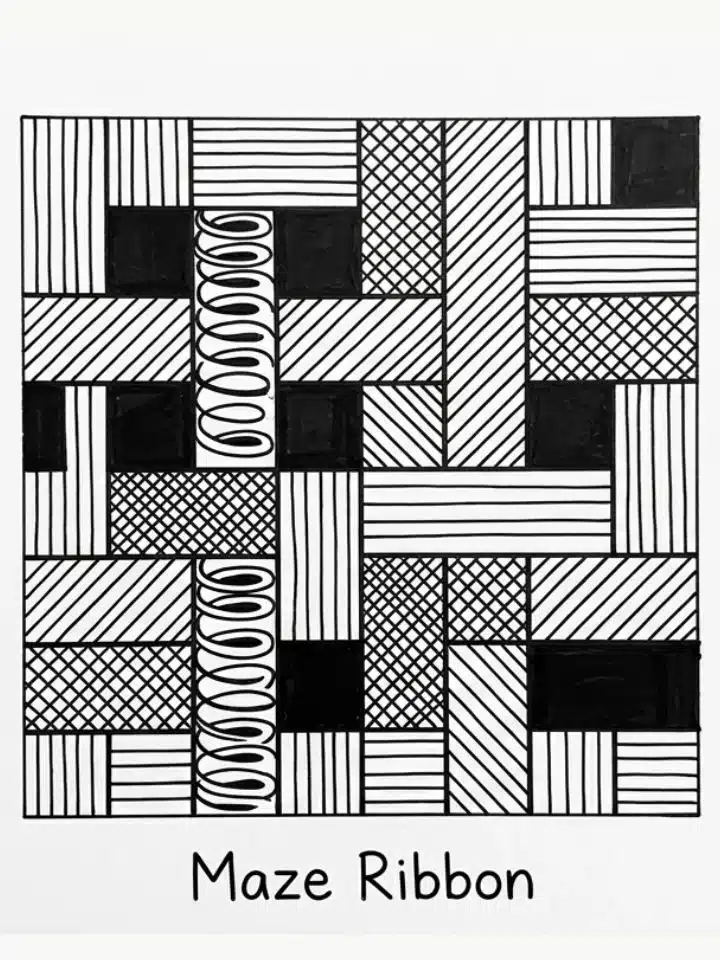
26. Maze Ribbon
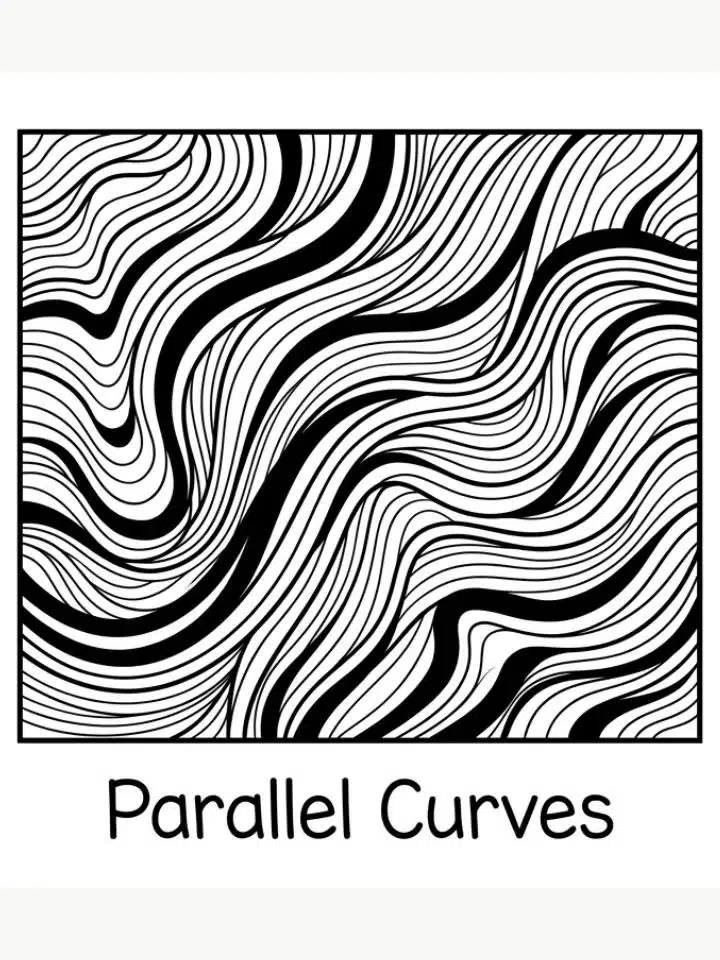
27. Parallel Curves
28. 3D Tunnel
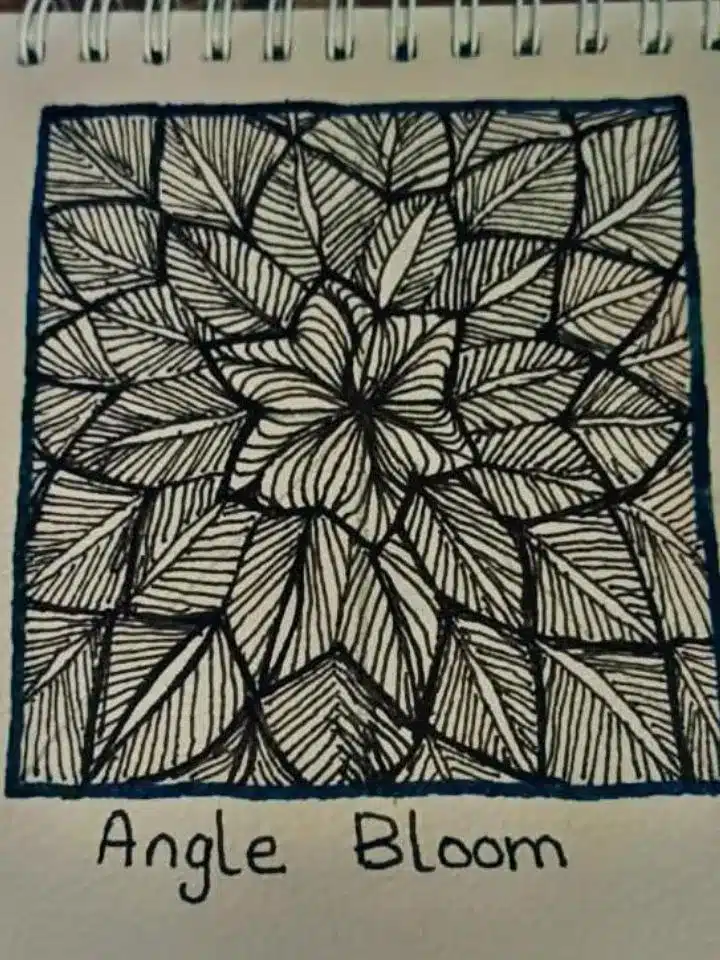
29. Angle Bloom
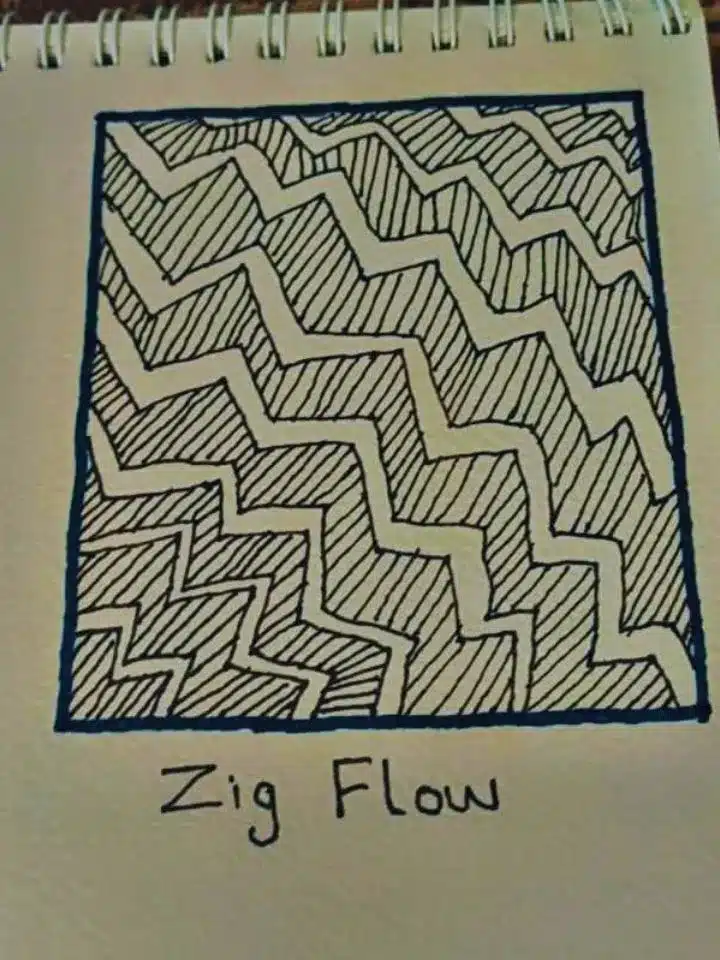
30. Zig Flow
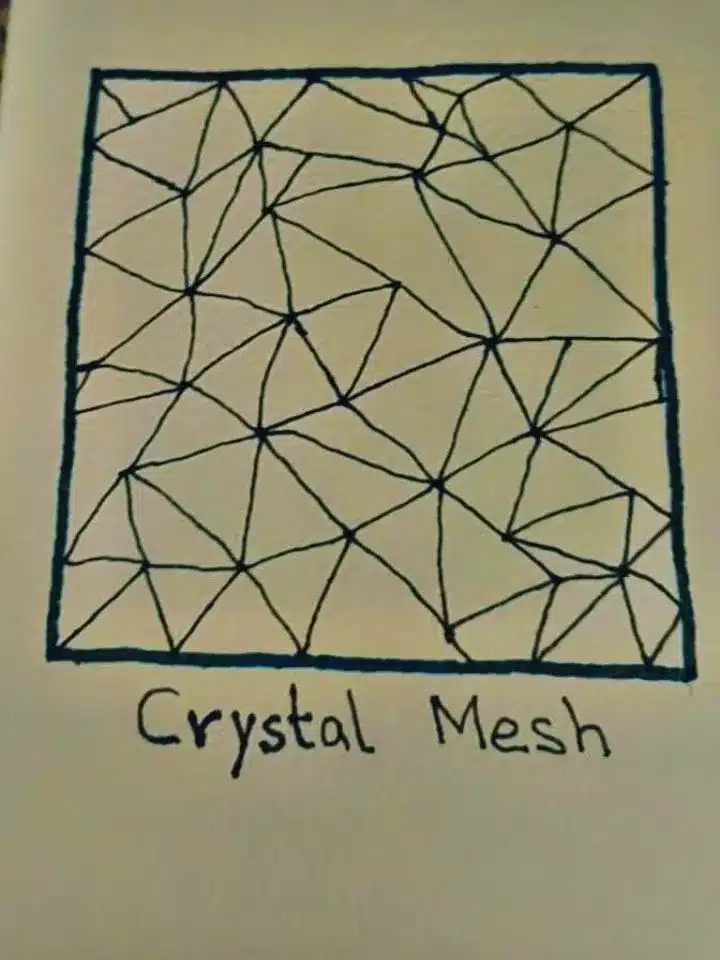
31. Crystal Mesh
32. Grid Pulse
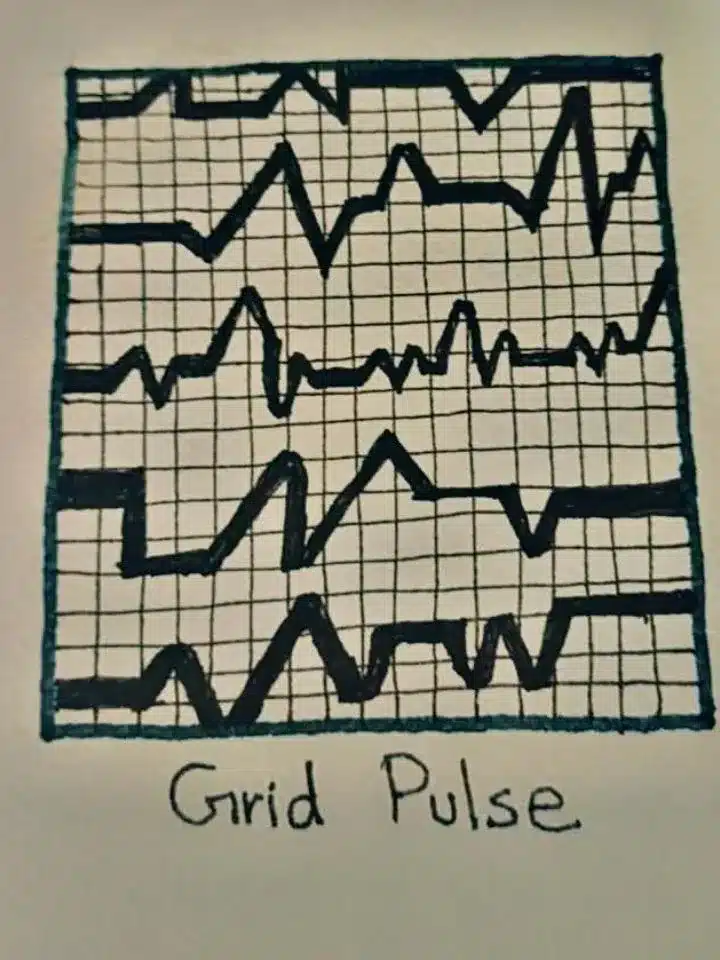
33. Infinite Blocks
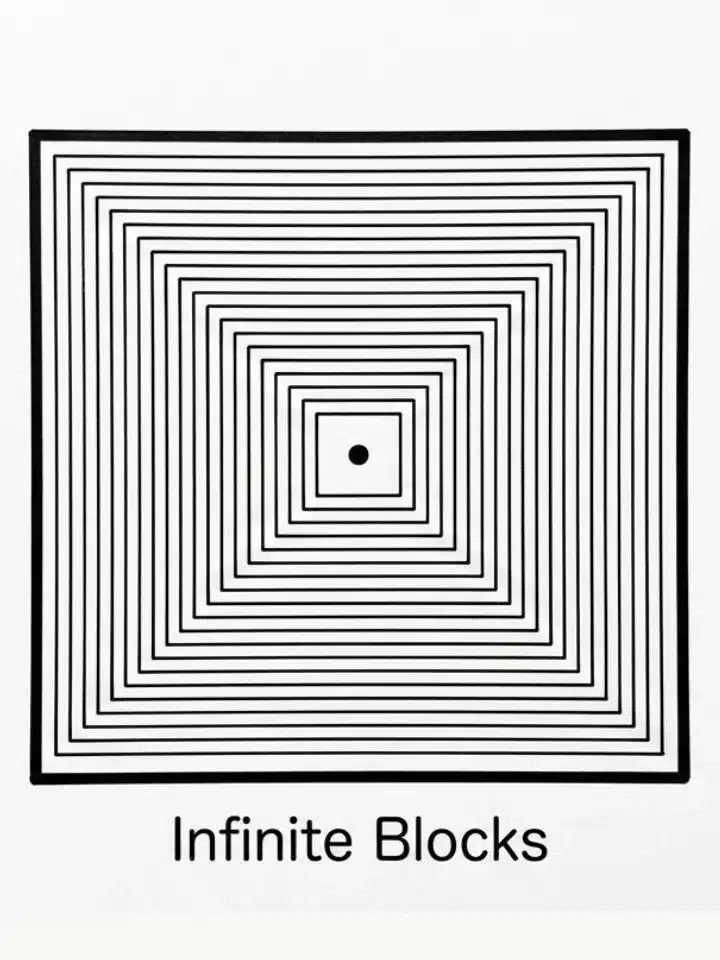
34. Triangle Weave
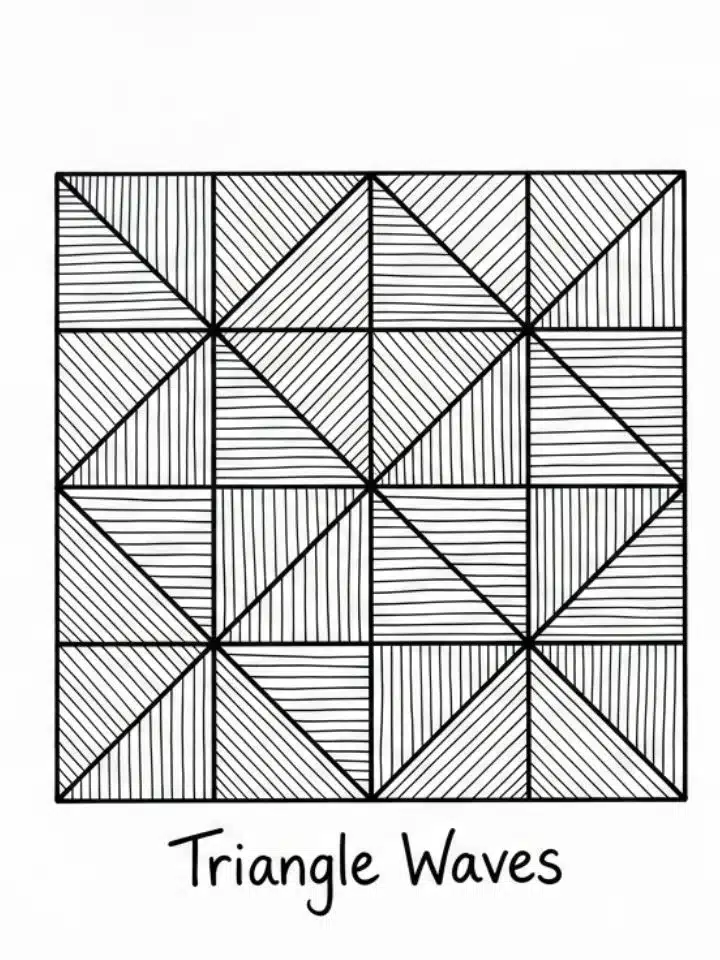
35. Checker Twist
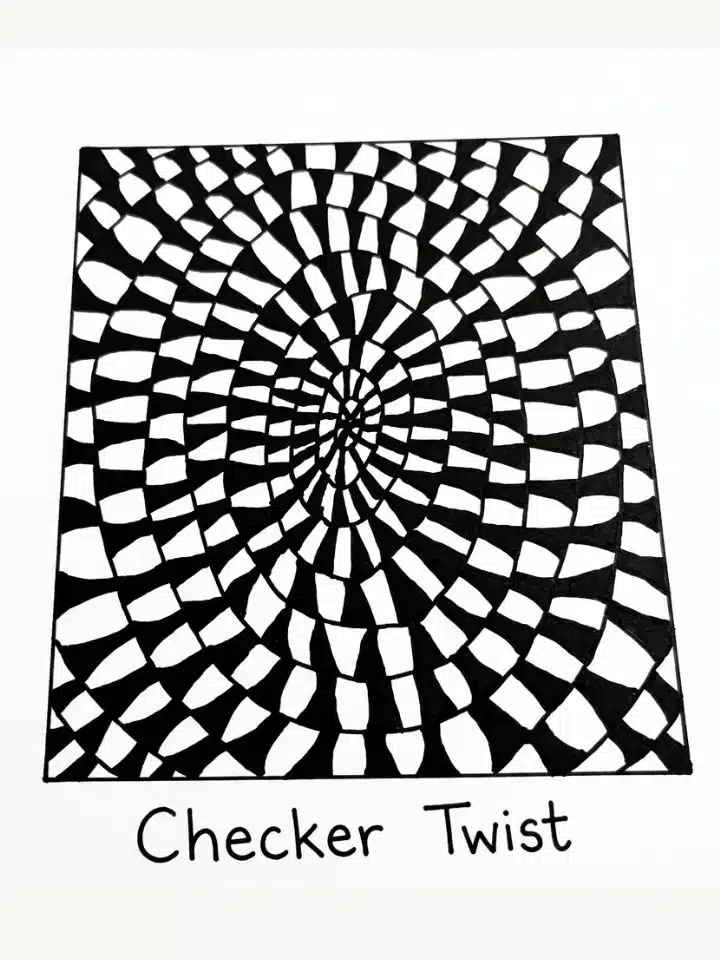
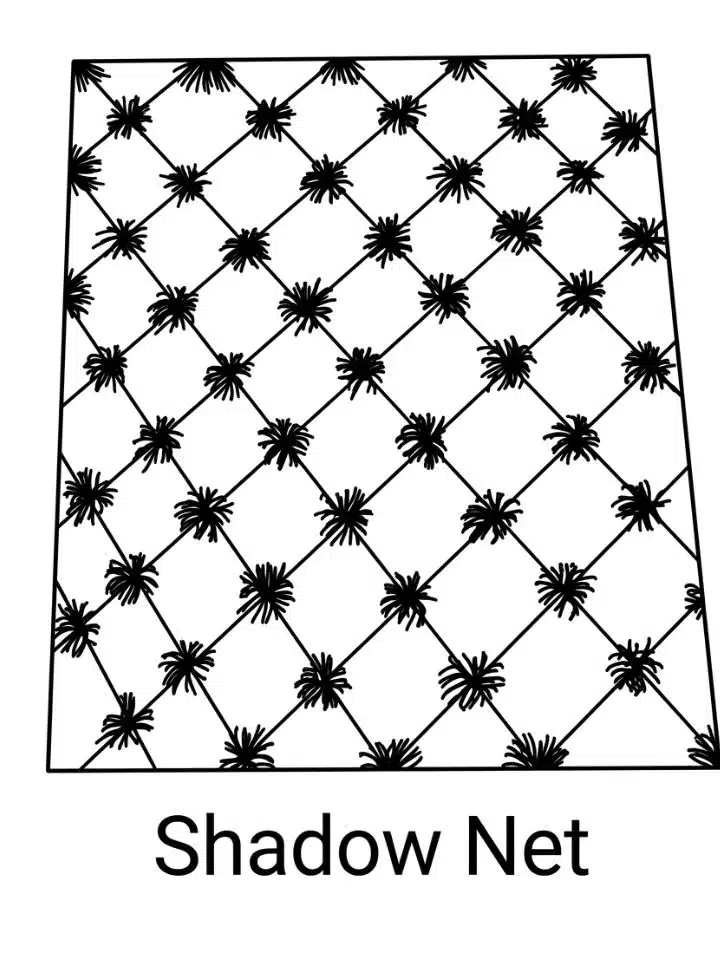
36. Shadow Net
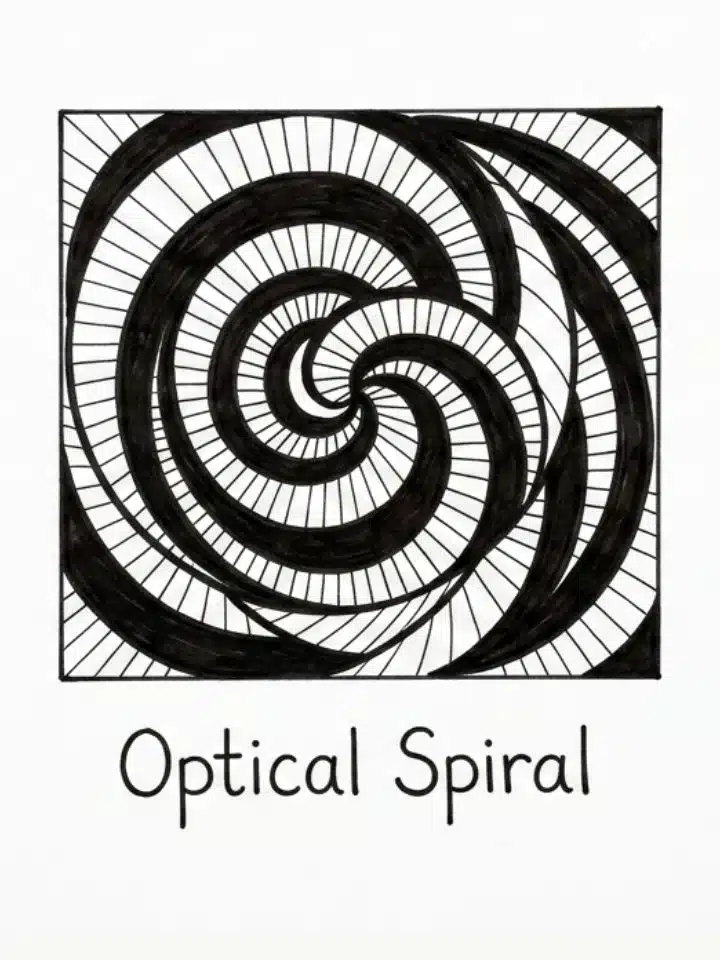
37. Optical Spiral
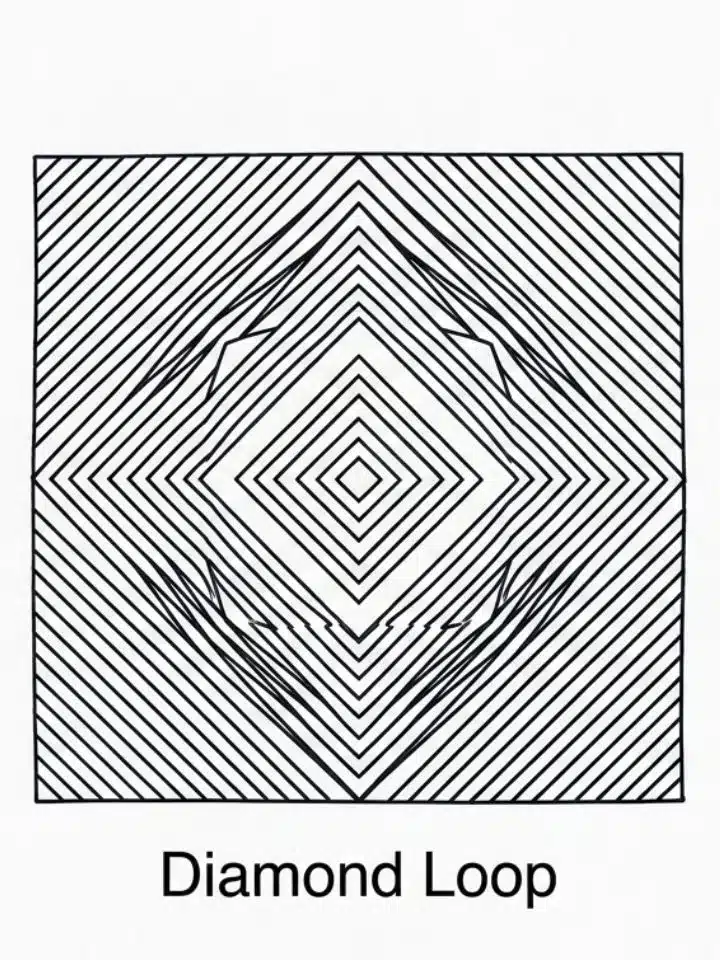
38. Diamond Loop
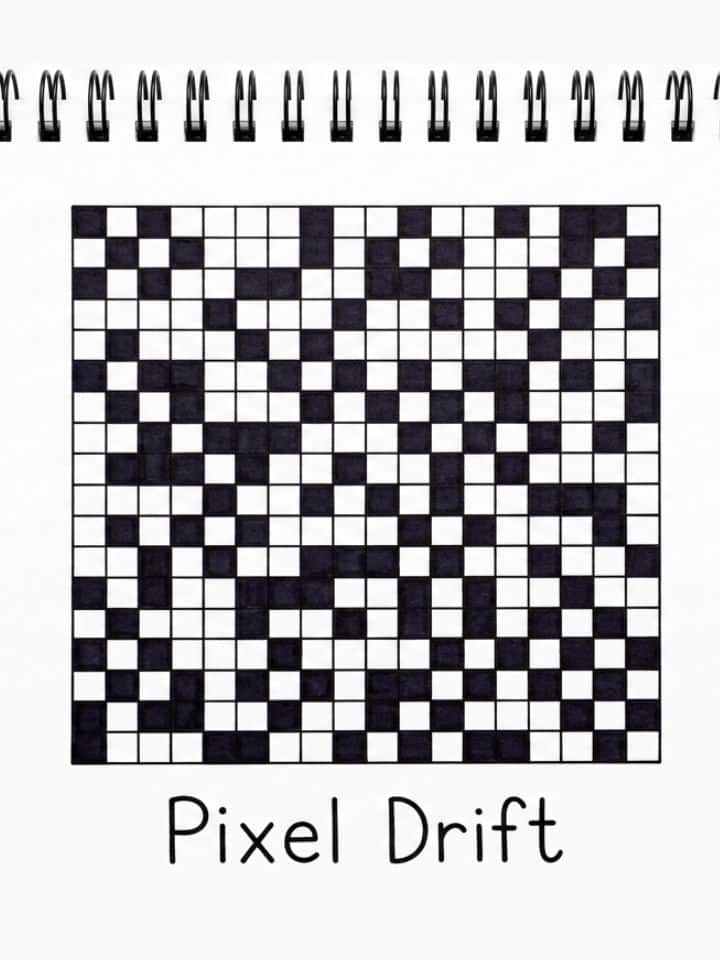
39. Pixel Drift
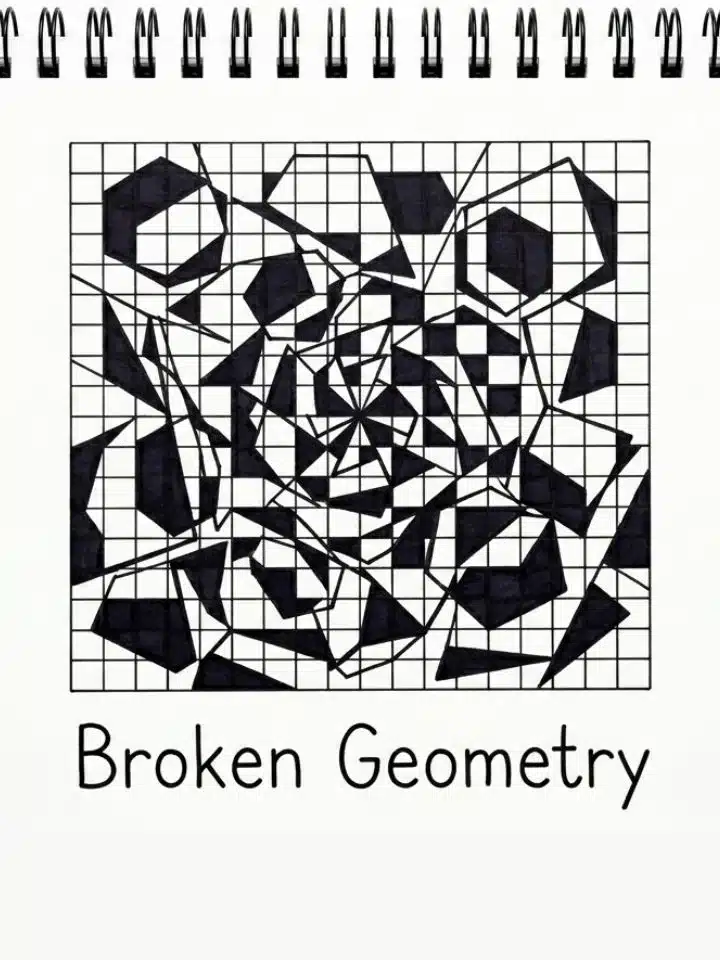
40. Broken Geometry
How Zendoodling Helps With Relaxation
Zendoodling has been shown to be more than just a creative activity. Research in psychology and creativity suggests that it can support mindfulness and help create a calmer, more focused mental state.
By concentrating on repetitive shapes, lines, and patterns, the brain enters a more relaxed and steady rhythm. This makes zendoodling a simple yet effective creative outlet for stress relief and mental clarity.
According to multiple studies, zendoodling and similar doodling activities may support:
- Stress reduction
- Improved concentration
- Reduced anxiety
- Mental relaxation
Pen and paper are typically all that is needed, with little to no use of digital tools.
Several studies have explored the effects of doodling on attention and mental performance:
- The study “What Does Doodling Do?” (Andrade, 2010) found that participants who doodled were better able to maintain focus and recall information after the task.
- Research from Drexel University on art-making suggests that simple creative activities like doodling may help reduce cortisol levels, the primary stress hormone.
- A Harvard-related report on attention and creativity highlights that doodling can support concentration, memory retention, and mental alertness.
After a busy day, spending just 10–15 minutes on zendoodling can help the mind unwind, improve focus, and leave you feeling refreshed..
Zendoodle vs Zentangle: What’s the Difference?
People often confuse zendoodle patterns with the Zentangle method.
| Feature | Zendoodle | Zentangle |
|---|---|---|
| Style | Free and creative doodling | Structured drawing method |
| Rules | No strict rules | Follows specific techniques |
| Patterns | Personal & flexible | Traditional tangle patterns |
| Focus | Creativity & relaxation | Mindfulness & meditation |
| Shapes | Anything you like | Usually repetitive tangles |
| Learning | Easy for beginners | Has official method/system |
| Art Feeling | Casual and expressive | Organized and intentional |
| Certification | No official certification | Official Zentangle method exists |
Here’s the simple difference:
- Zentangle → structured, guided, formal pattern method
- Zendoodle → freeform, casual doodling style
Final Thoughts
Zendoodle designs are a simple and calming way to begin drawing. No special skills required – only need a pen and some curiosity!
The better you get at doing zendoodle designs, the easier it will be to create your own designs without giving them (or yourself!) much thought.
So, take a pen and a sketchbook and do one zendoodle today – you may be surprised at the beauty that comes from just a few lines!