
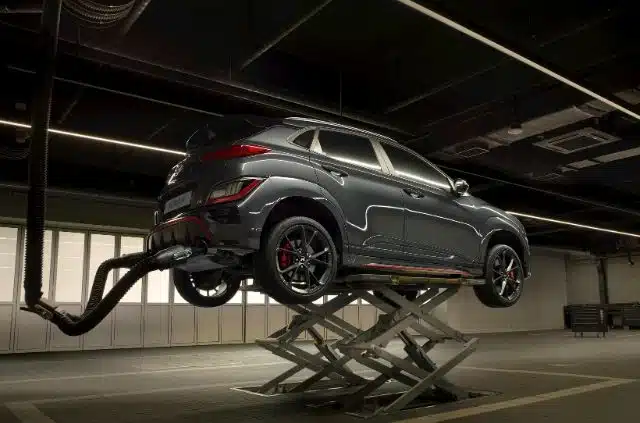
Car suspension plays a critical role in your vehicle’s safety, handling, and comfort. It absorbs shocks from uneven roads, ensures proper tire contact, and keeps the car stable while driving. Many car owners often have questions about suspension repairs, especially when they notice unusual noises, uneven tire wear, or a bouncy ride. This guide answers the most frequently asked questions about car suspension repairs and provides practical advice for drivers.
1. What Are the Common Signs That My Suspension Needs Repair?
Some of the most noticeable signs include:
- A bouncy or unstable ride
- Uneven tire wear
- Pulling to one side while driving
- Strange noises like clunks or squeaks
- Visible damage to suspension components
2. Can I Drive With a Damaged Suspension?
Driving with a faulty suspension is not recommended, as it reduces handling and can increase the chances of accidents, similar to the risks associated with using a cell phone while driving.
3. How Much Does Suspension Repair Cost?
Costs vary depending on the type of repair and parts needed. Minor repairs such as replacing bushings or shock absorbers can cost less, while complete overhauls are more expensive. Labor charges also depend on the workshop and location.
4. Can I Fix Suspension Issues Myself?
Some minor issues, like tightening loose bolts or replacing small components, can be done at home if you have the right tools and knowledge. However, complex repairs like replacing struts, springs, or realigning suspension should be left to certified professionals. Safety should always come first.
5. How Often Should I Inspect My Car Suspension?
It is recommended to check your suspension every 12,000–15,000 km or once a year, whichever comes first. Frequent inspections are crucial in areas with rough roads, potholes, or coastal conditions that may accelerate wear and tear.
6. What Are the Risks of Ignoring Suspension Problems?
Ignoring suspension issues can lead to:
- Reduced braking efficiency
- Uneven tire wear
- Increased risk of accidents
- Poor handling and control
- Higher repair costs in the long run
7. How Can I Maintain My Suspension to Avoid Repairs?
Preventive maintenance includes:
- Regular inspections of shocks, springs, and bushings
- Avoiding potholes and rough terrain where possible
- Keeping tires properly inflated
- Aligning wheels periodically
- Promptly repairing minor damages before they escalate
Following these tips will prolong the life of your suspension and improve driving comfort.
8. How Long Does a Suspension Repair Take?
Repair time depends on the type of issue. Minor repairs like replacing shock absorbers may take 1–2 hours, while complete overhauls can take a day or more. Scheduling an appointment with a trusted local workshop ensures timely service without compromising quality.
9. Are Suspension Upgrades Worth It?
Upgrading your suspension can enhance performance, especially for sport or off-road vehicles. Options include heavy-duty shocks, sport struts, or enhanced springs. These upgrades can improve handling, stability, and comfort, particularly in areas with rough roads like Gold Coast.
10. How Do I Choose the Right Suspension Repair Service?
Look for:
- Certified and experienced mechanics
- Positive customer reviews
- Warranty on repairs
- Transparent pricing and estimates
Many local drivers in Gold Coast prefer workshops that combine expertise, quality parts, and quick service. For reliable and professional assistance, consider car suspension repairs Gold Coast. Always research and compare before choosing a service provider.
Conclusion:
Understanding your car suspension and knowing how to handle repairs is essential for safe and comfortable driving. By addressing issues early, maintaining your suspension regularly, and choosing the right repair service, you can prevent major problems, save money, and enjoy a smoother ride. Whether it’s a small bouncy ride or a complete overhaul, having this knowledge ensures your vehicle stays in top condition.