If you watch your dog long enough you notice patterns. They flop this way, curl that way, then do it all again. Those odd little poses are not random. They tell you about comfort, body temperature, trust in the home, and sometimes about pain or illness. Dr. Patrik Holmboe, who leads veterinarian department at Cooper Pet Care, says the way a dog sleeps can reveal a lot about their comfort, health, and emotional state. I have been experiencing this with my pet dogs at home for many years – how they rest says more than we mostly realize. Research from dogs Trust’s Generation Pup also supports this idea. They note that shifts in sleep patterns and posture often reflect how secure a dog feels in their environment. So, when a dog sleeps belly up, they are making a clear statement about how safe they feel. Here, I cover five common sleeping positions I have noticed over the years with my pets, what each usually means, when to take note, and a few practical tips you can use right away.
Five Adorable Dog Sleeping Positions and What They Mean
Side Sleeper – Calm, Comfortable, Deep Rest
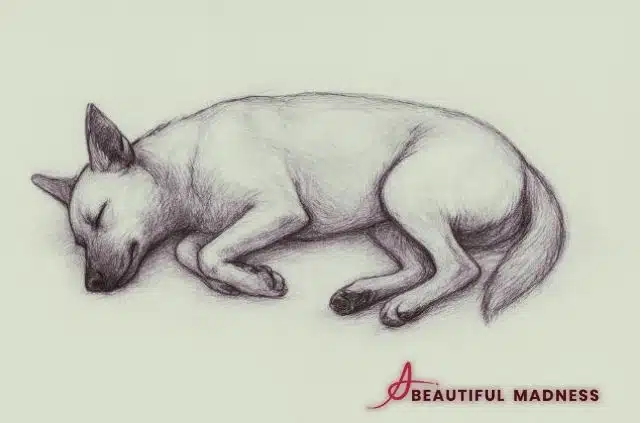
What it looks like: Your dog lies on their side, legs stretched out, belly partly exposed. Sometimes the paws twitch like they are chasing a squirrel in a dream.
What it means: I found that this is a sign of trust and deep sleep. Dogs who sleep on their side usually feel safe. Puppies and older dogs do this a lot because it is comfortable and easy on the body. If side sleeping is your dog’s go-to, they probably feel relaxed in their home.
Practical note: Big dogs need space. If a dog who used to sleep on their side stops doing it, you should be alert. A side sleeper that starts curling into a tight ball or struggles to lie down and get up is telling you something. It means he is feeling soreness, pain, or there is an underlying illness and deserves a vet check. Dogs often change their sleeping position when they are sick. This is the time when your dog needs utmost care, comfort and support.
Belly-Up – Trust, Cooling, and Total Relaxation
What it looks like: Your dog lies on their back with legs in the air. It can look awkward, but most dogs are perfectly happy there.
What it means: Showing the belly is a vulnerable thing. When dogs sleep this way they are saying the house is safe and the people are safe. There is also a temperature reason. The belly has less fur, so this pose helps them cool off faster.
When to check with a vet: Older dogs sometimes stop sleeping on their backs because it can put pressure on the spine or be uncomfortable with arthritis. If your dog used to sleep belly-up and suddenly stopped, consider a vet visit.
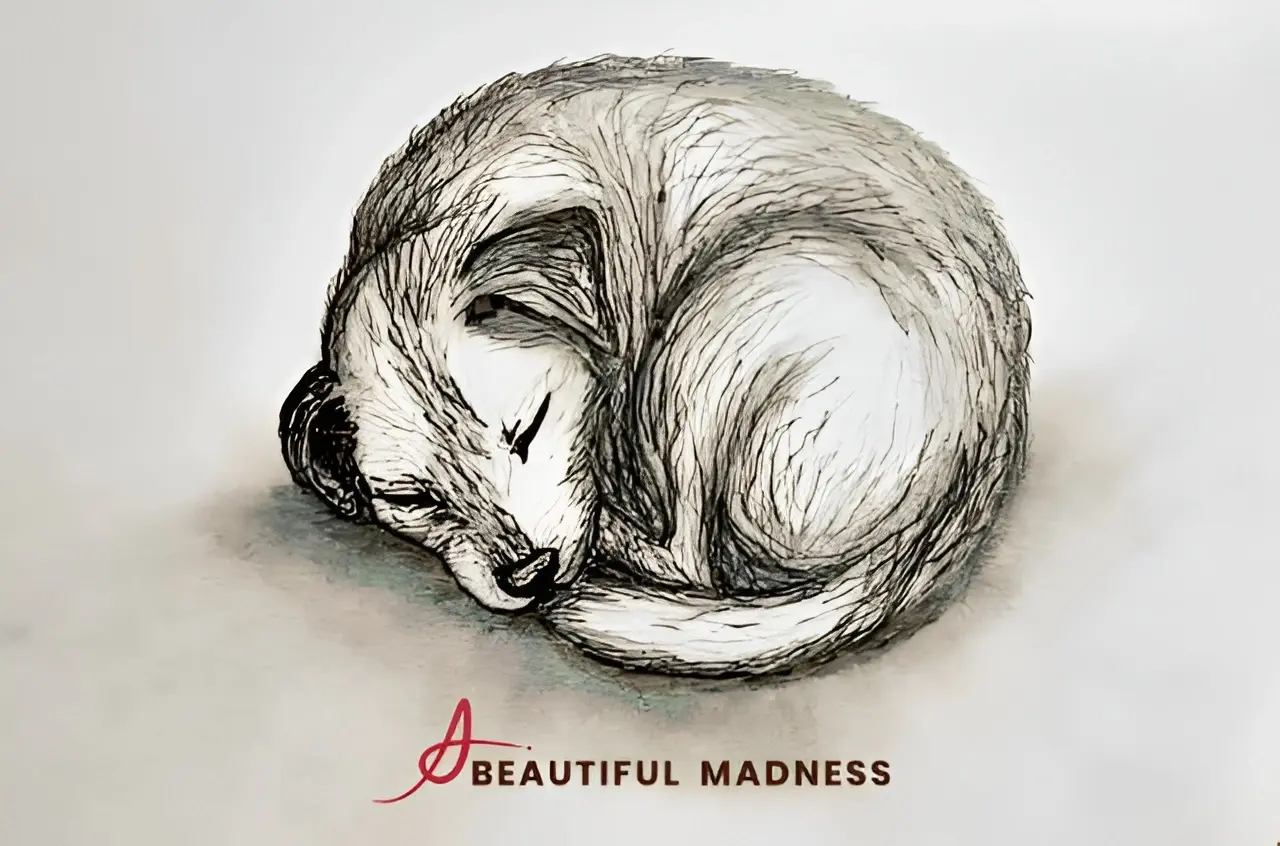
Donut or Curled-Up Ball – Warmth, Protection, Stillness
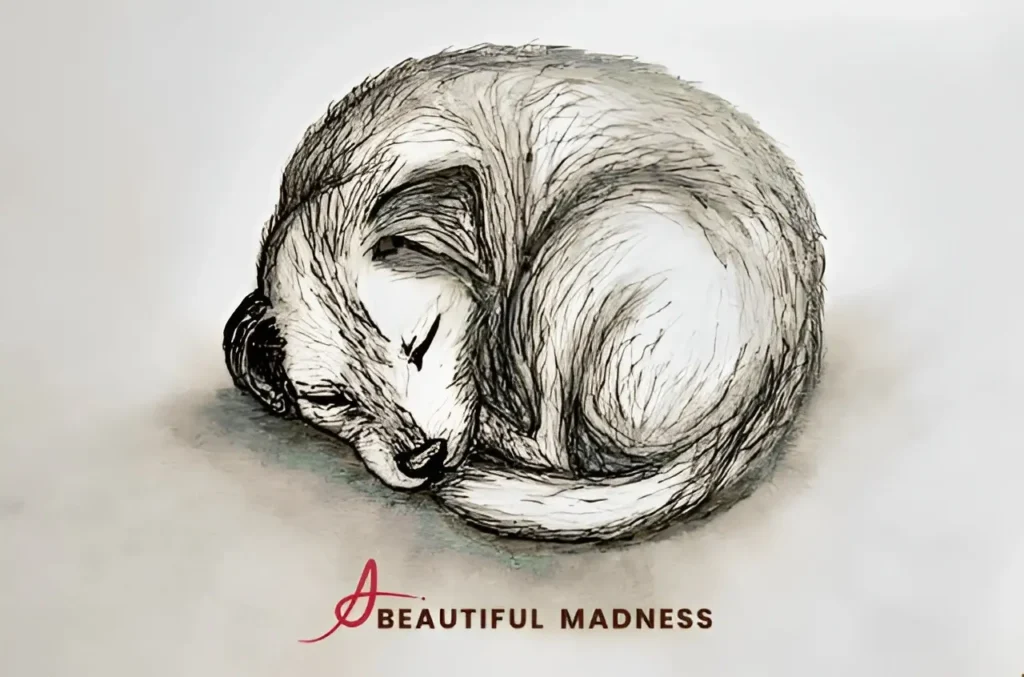
What it looks like: Curled tight, nose near tail, paws tucked in close.
What it means: This is the den instinct. Curling conserves heat and keeps vital organs tucked away. New dogs or shy dogs often choose this pose and even sleep under the bed while they settle in. It feels safe. If a dog who usually slept belly-up or on their side now curls into a tight ball a lot, that change can sometimes indicate soreness or illness. Keep an eye on appetite and energy and check with your vet if you are worried.
Household tip: Dogs that prefer the donut shape like beds with bolsters or a hooded blanket. A supportive edge helps them feel safe and snuggled.
Lion Pose or Sphinx – Alert, Light Sleep, Ready to Move
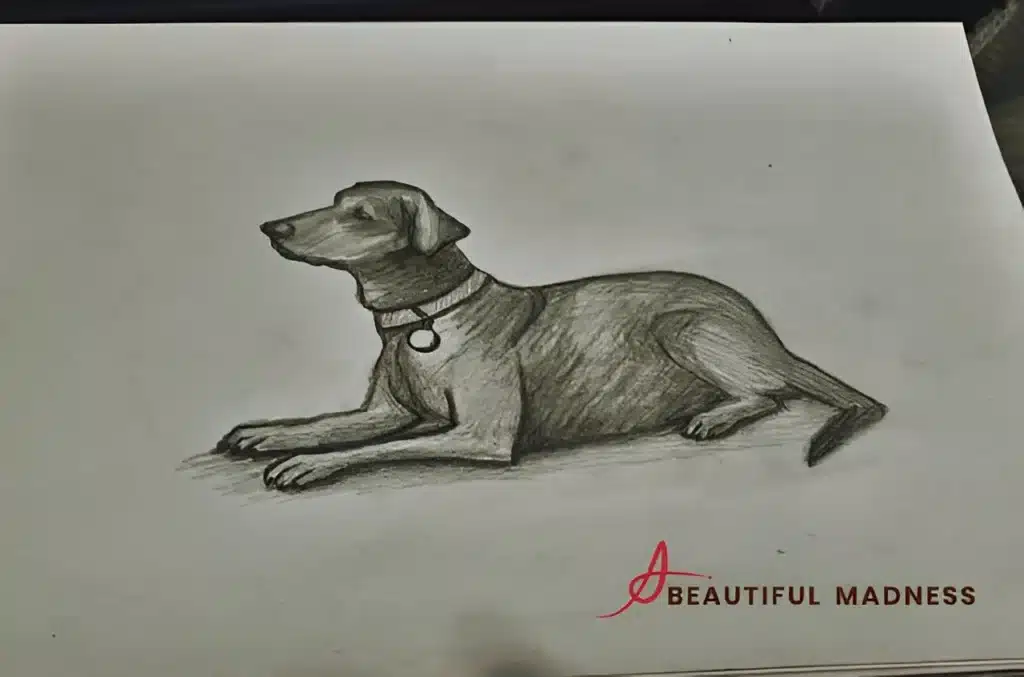
What it looks like: Chest-down, front paws under the chin, head resting on the paws.
What it means: This is light rest. The dog is relaxed but staying ready to move. I often see this near doors, at the foot of a bed where my dog often seems to sleep at my feet, or wherever the dog wants to keep an eye on things. Do not worry, though; this pose is common in working breeds such as German Shepherds. For example, a German shepherd’s training often emphasizes their natural guarding instincts, which makes this watchful “on-duty” pose a go-to for them. Working-line GSD types often possess stronger guarding postures and stay more watchful, while show-line dogs may relax into the pose more easily. You must watch the dog’s body language here too. Their ears, tail carriage, eye shape and overall muscle tension tell whether they are calm or simply poised to move. If your dog alternates between lion pose and deeper positions, that is normal. They go in and out of light sleep.
Note: If the dog is in lion pose a lot and seems restless, look for changes in the environment. New noises, people, or a shift in routine can keep them in lighter sleep.
Also Read: Dog-Friendly Backyard
Superman or Sploot – Relaxed, Flexible, Play-Ready
What it looks like: Belly on the floor, hind legs stretched out behind like a tiny superhero.
What it means: Splooting often helps the belly touch something cool and it also keeps the dog ready to launch into play. I see this in playful, flexible breeds and in pups. Some breeds do it more because they are more flexible. Since their paws are often tucked or trailing behind them in a sploot, it’s a good time to check for any irritation or that distinct frito feet smell most owners do not know about. Unless you notice stiffness after they get up, it is a perfectly healthy, goofy pose.
Breed note: French bulldogs, Pomerania Husky, Labahoulas, and other energetic or flexible types sploot more than others. That is normal.
FAQs People Ask Me About Dog Sleeping Positions
1. Do dogs dream?
Yes. Dogs go through REM sleep and they twitch, whimper, or even run their legs while dreaming. Research supports that animals replay daytime events during sleep. If your dog has what looks like an intense nightmare, call their name softly rather than touching them suddenly. Let them wake on their own most of the time.
2. How much do dogs sleep by age?
Puppies and senior dogs sleep more, often 18 to 20 hours a day. Adult dogs usually average about 12 to 14 hours, though I noticed that activity level and health change that a lot. If your dog suddenly sleeps much more or much less, it is a sign to check in with your vet.
3. Is it okay if my dog sometimes sleeps with open eyes?
Often yes. Partial eye opening can happen in light sleep and is usually harmless. If those episodes come with jerking, disorientation, or unusual behavior afterward, record what you see and mention it to your vet.
4. When should I worry about a sleep position?
Be concerned when a sleep habit changes suddenly and stays changed, or when you hear noisy or rapid breathing while resting. If your dog seems less active, eats less, or is reluctant to move, those are red flags. A dog that holds their head and neck raised to breathe at rest needs veterinary attention.
Bottom line
Dogs talk to us with their bodies, and sleep is one of the clearest ways they do that. Side sleeping and belly-up say comfort and trust. Donut curls show a need for warmth or safety. Lion pose is light sleep and guarding instinct. Superman pose says the dog is relaxed but ready for fun. Learn your dog’s patterns. Small changes often tell you more than a loud symptom. Spot the differences early, and if in doubt, check with your vet. Those tiny observations keep your pet healthy and make the quiet, funny moments of sharing a home even better.